
470 Acres of Colorado Basin Protected Forever
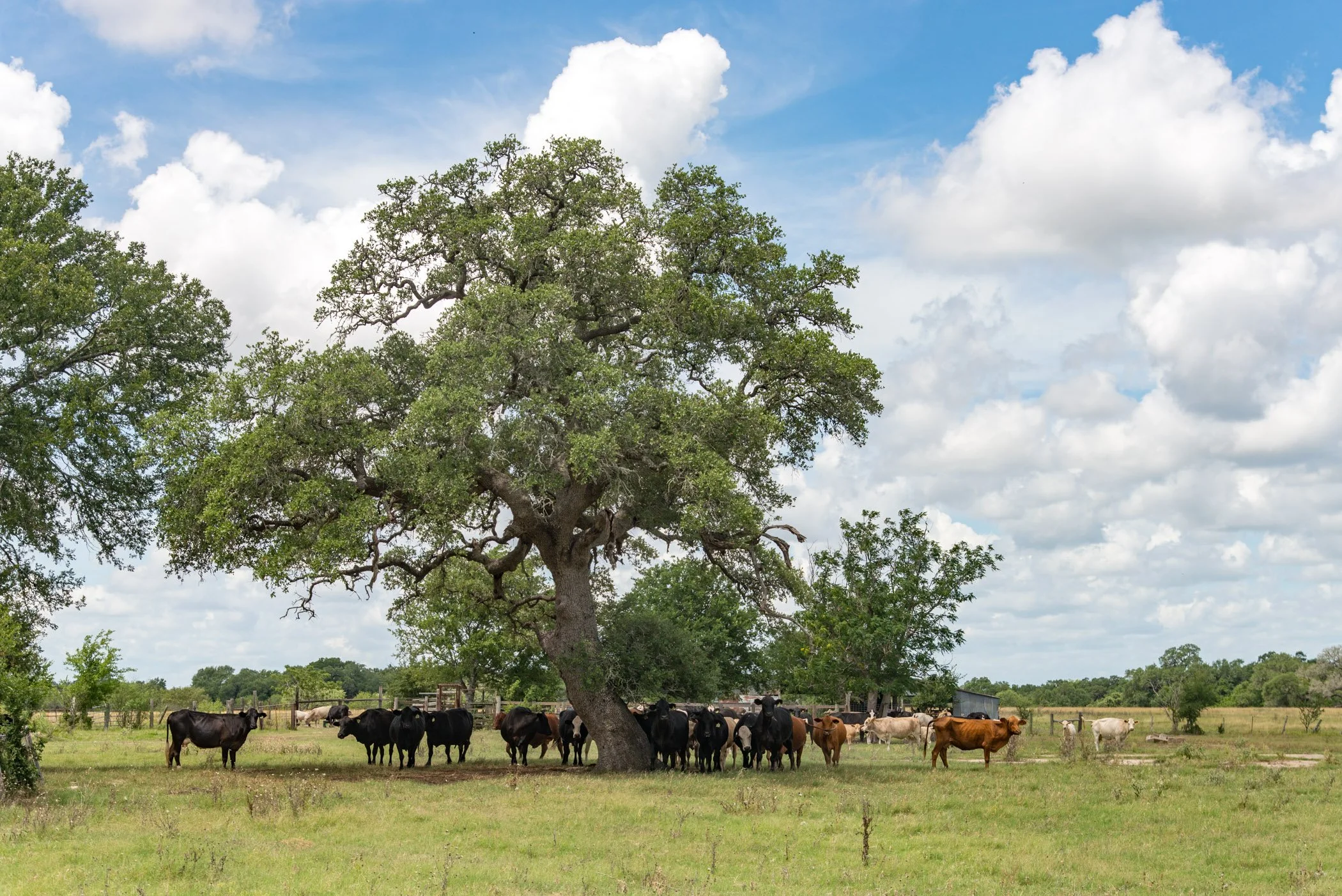
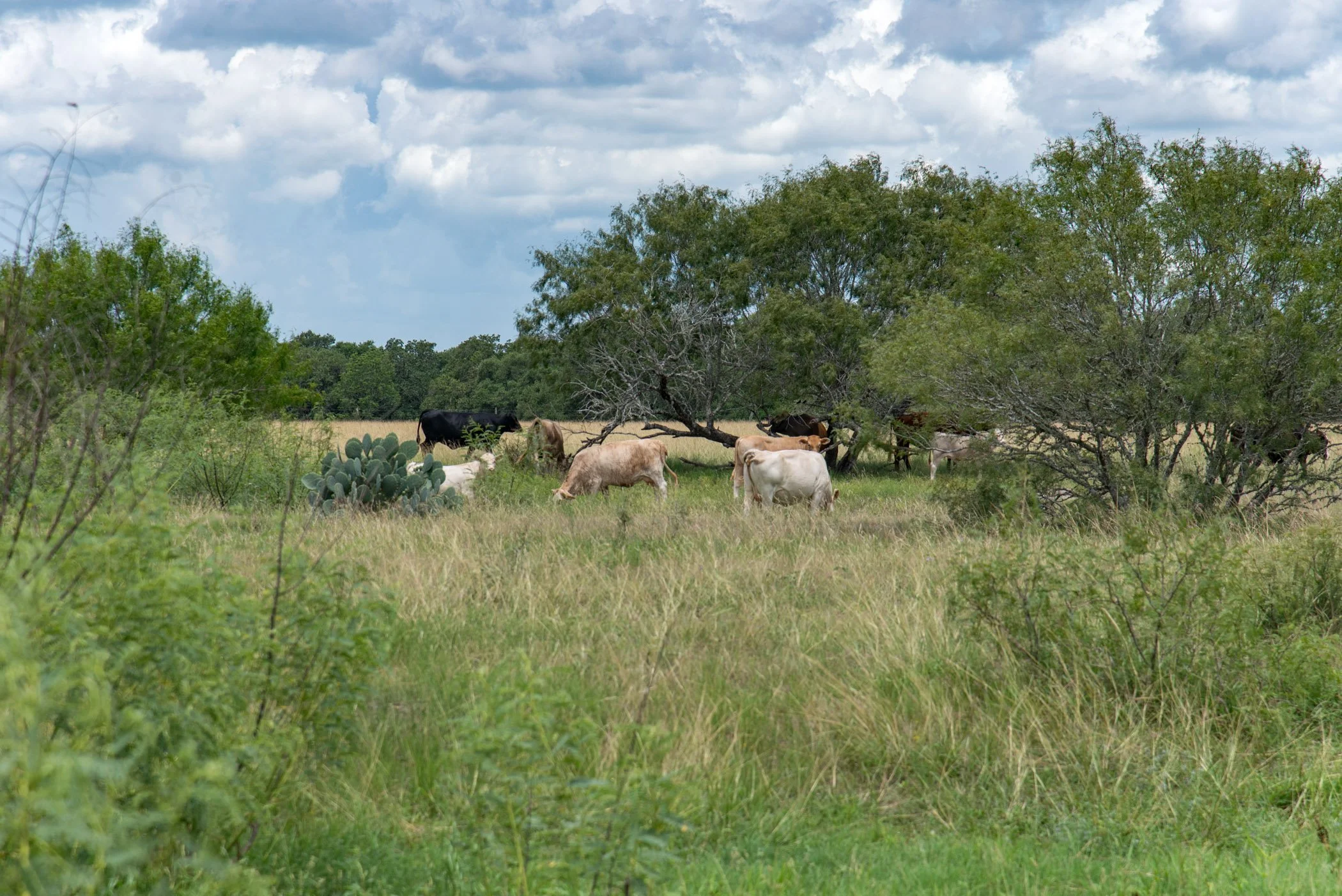
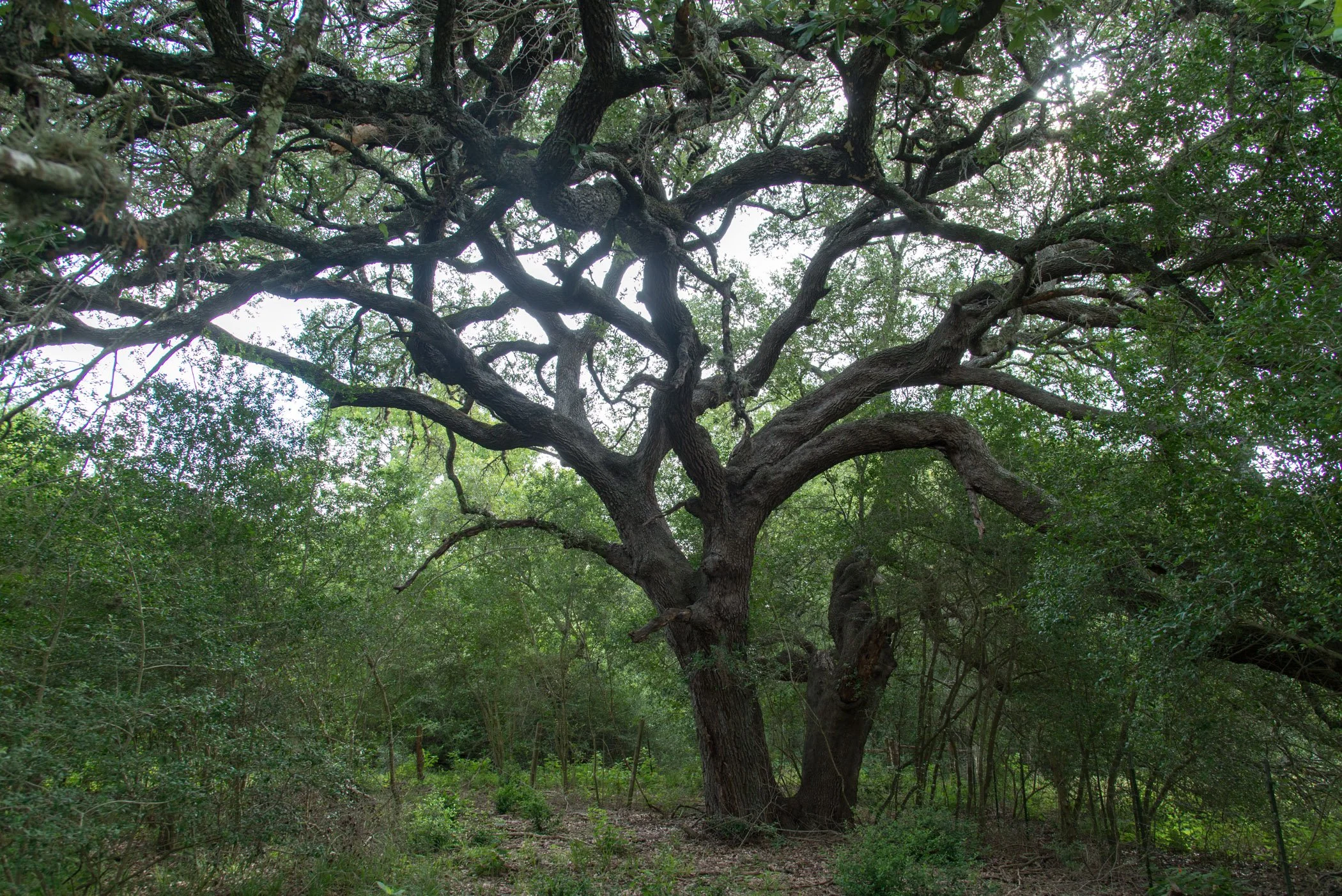
Some places are more than land. They are family stories written across generations—places where children grow up exploring creeks, where cattle graze beneath old live oaks, where wildlife finds refuge, and where history quietly endures. For more than a century, Martinek Farm has been one of those places.
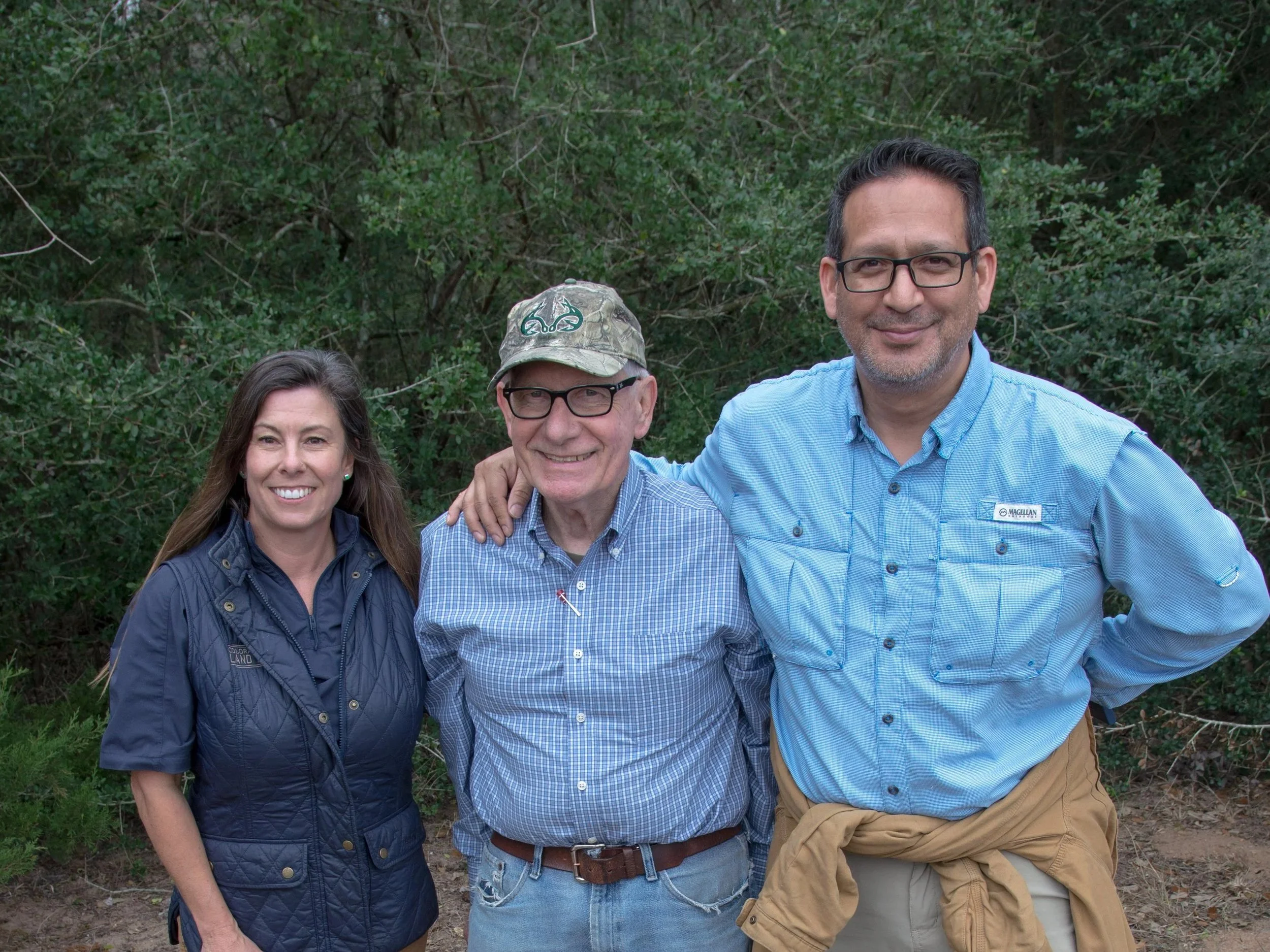
Martinek Farm is Fayette County’s most recent conservation success. This beautiful property is rich in scenic, natural, agricultural, and historical resources and is now permanently protected thanks to the generous contributions of longtime landowners Russell and Debbie Friemel, and Ardie Friemel Holsinger in honor of their great grandfather Jospeh Martinek.
A Legacy More Than 100 Years in the Making
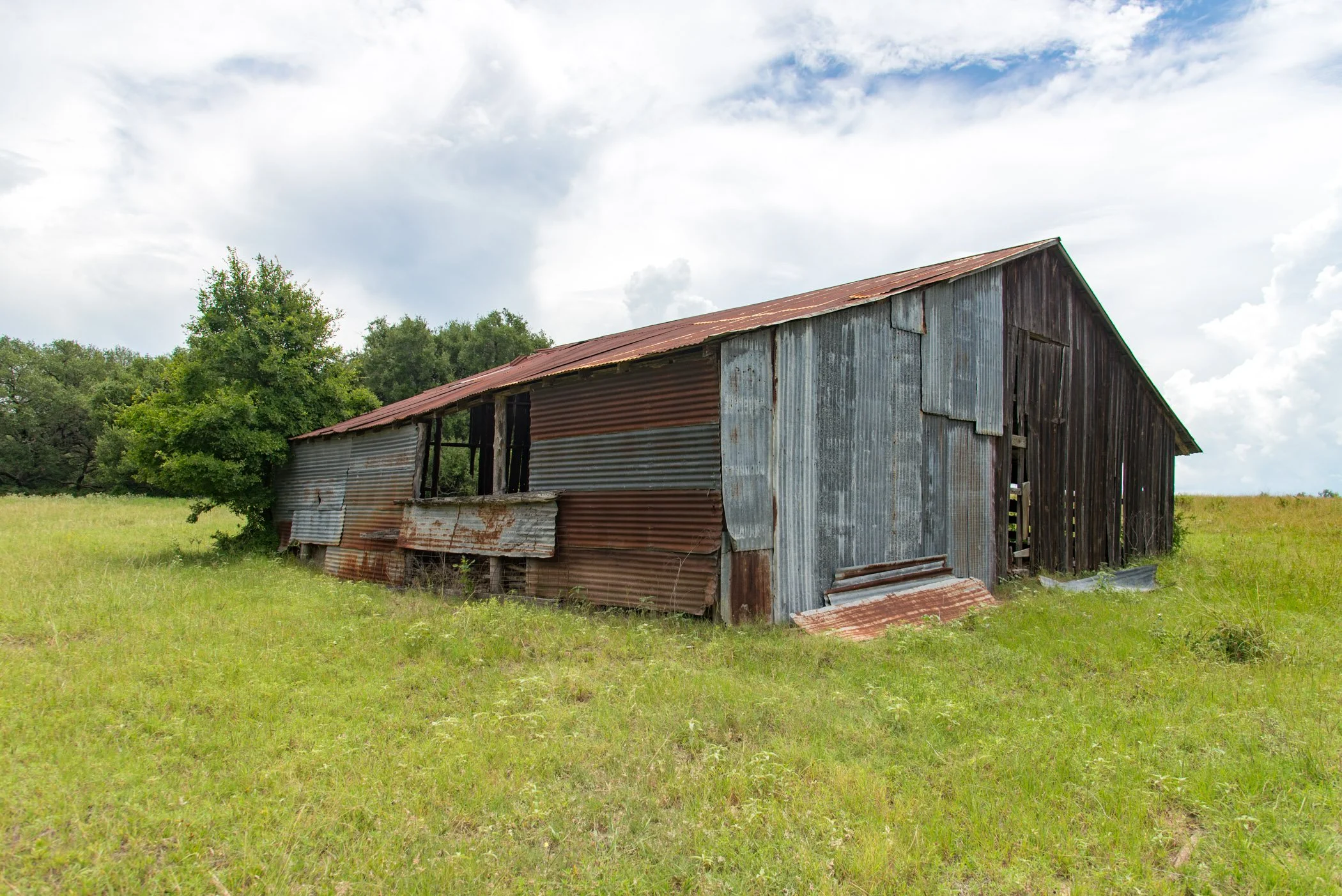
In 1911, Joseph Martinek purchased this property outside of La Grange, beginning a family tradition of caring for the land. In the 1980s, siblings Russell Friemel and Ardie Friemel Holsinger inherited their family land and upheld the working land legacy and honored their deep family ties first established by their great grandfather. More than a century later, in 2021, Russell and Ardie began down the path of permanently protecting the land and their family’s legacy. In 2026, Martinek Farm was officially protected with a donated conservation easement: a voluntary legal agreement that ensures this working farm, its wildlife habitat, and its open spaces will remain intact for generations to come while allowing the family to retain ownership and continue stewarding the land.
A Sanctuary in a Vanishing Landscape
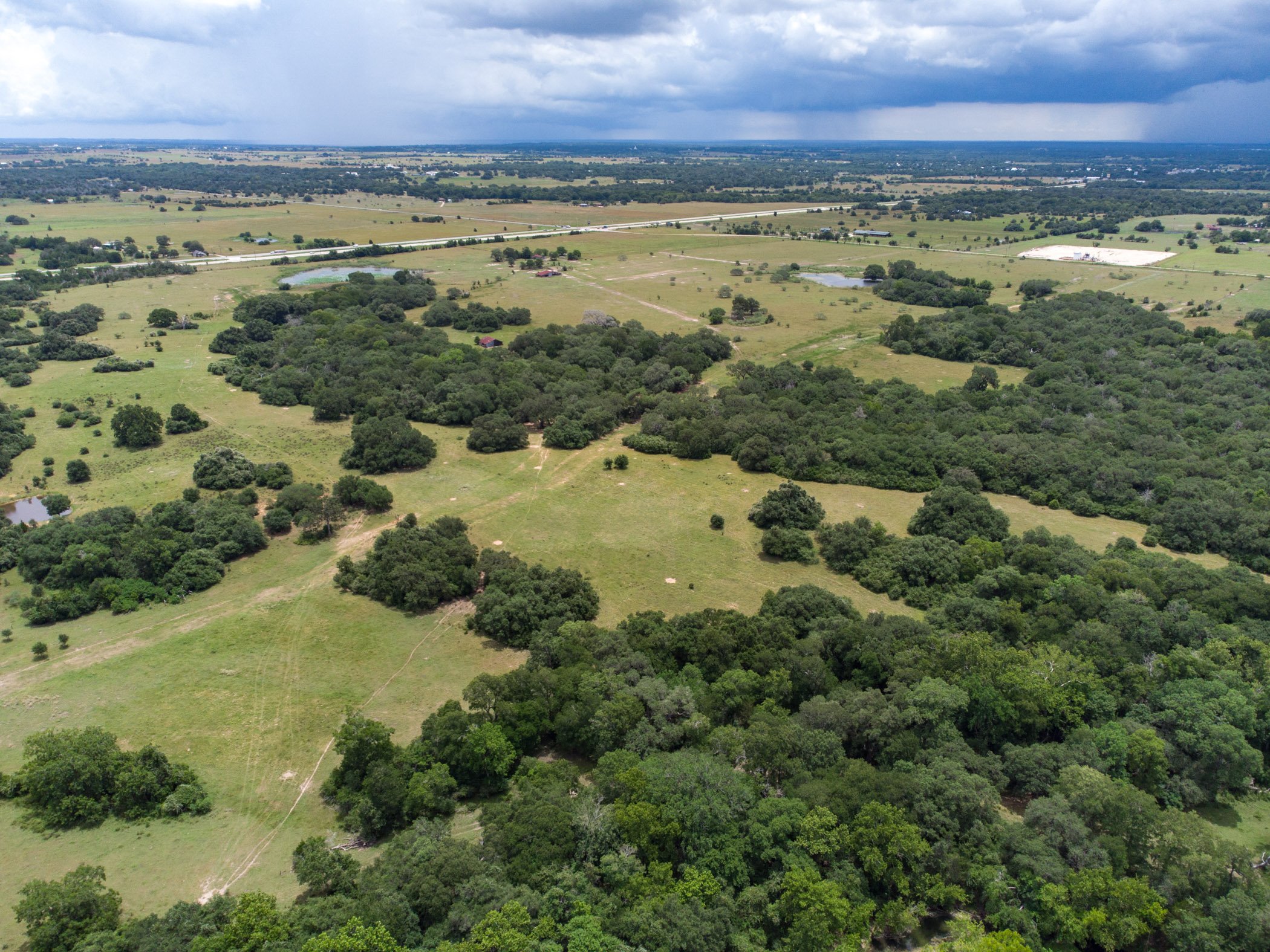
Martinek Farm sits in a vulnerable region of the Colorado River basin. Industrial surface mining, highway road-front development, and oil and gas extraction are recurring land uses across the surrounding landscape that threaten this region’s habitats, scenic open space, and water resources. By permanently protecting these 470 acres, Martinek Farm becomes a lasting investment in the future of the Colorado River basin and a model for conserving the landscapes that remain.
Vital Waters
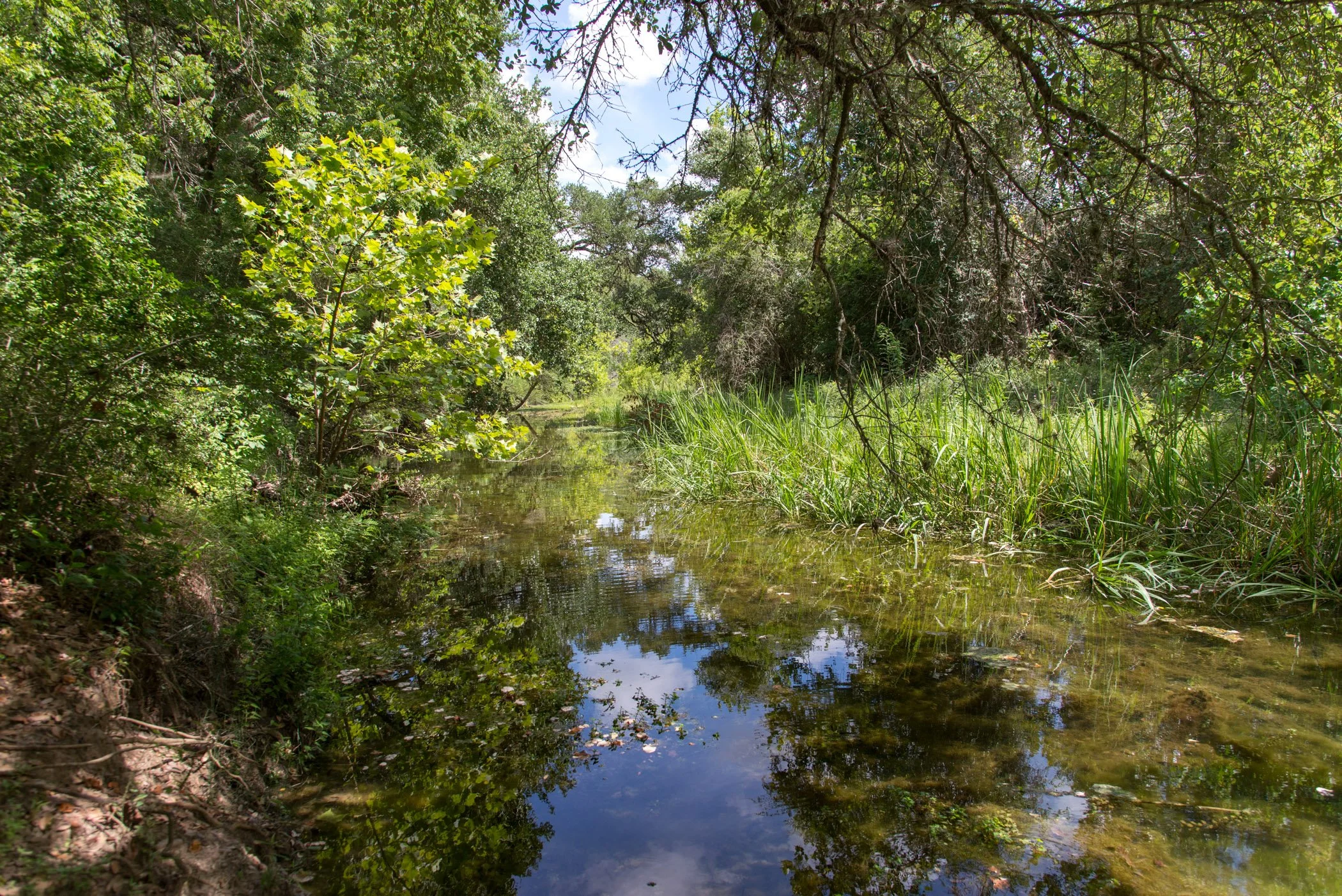
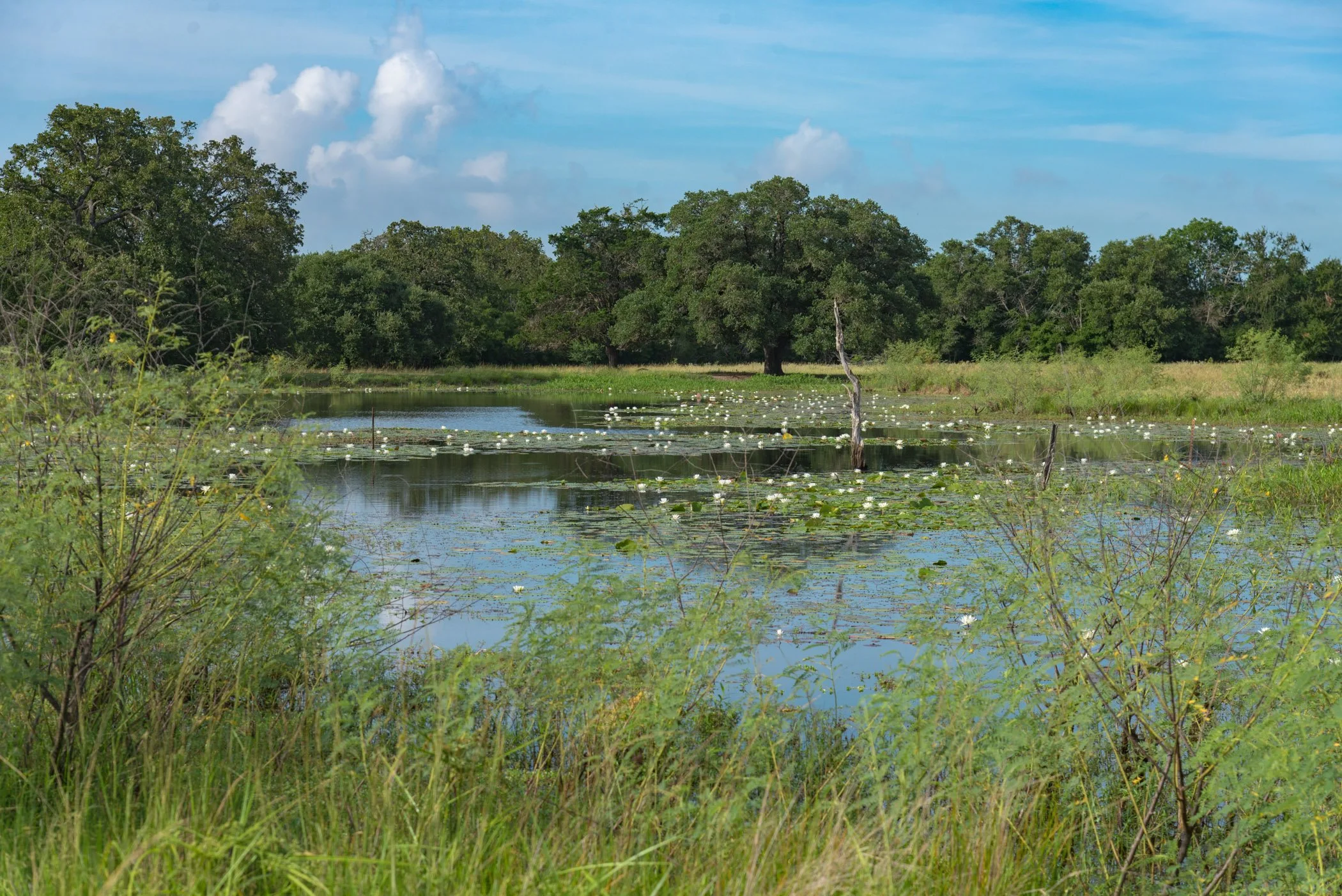
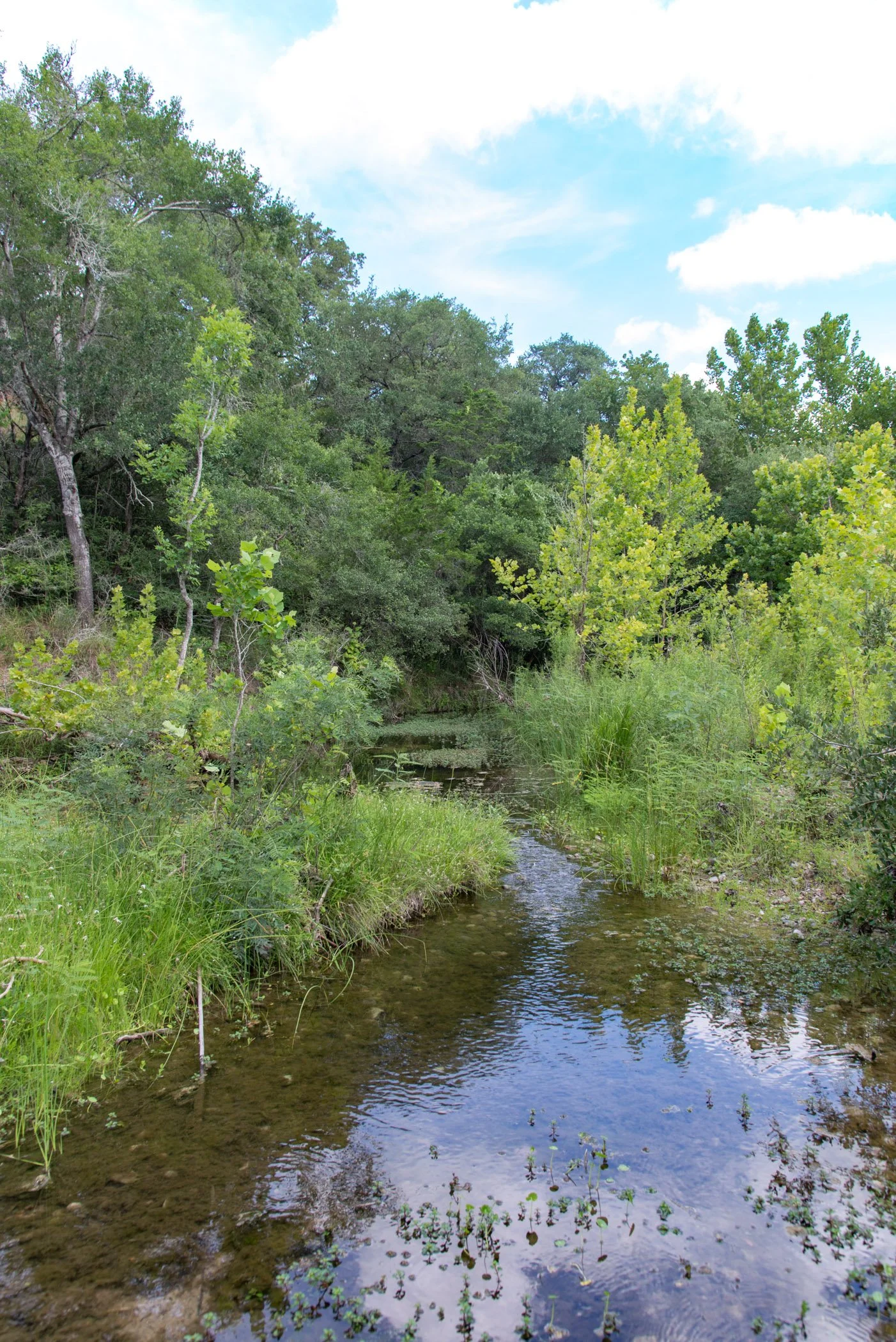
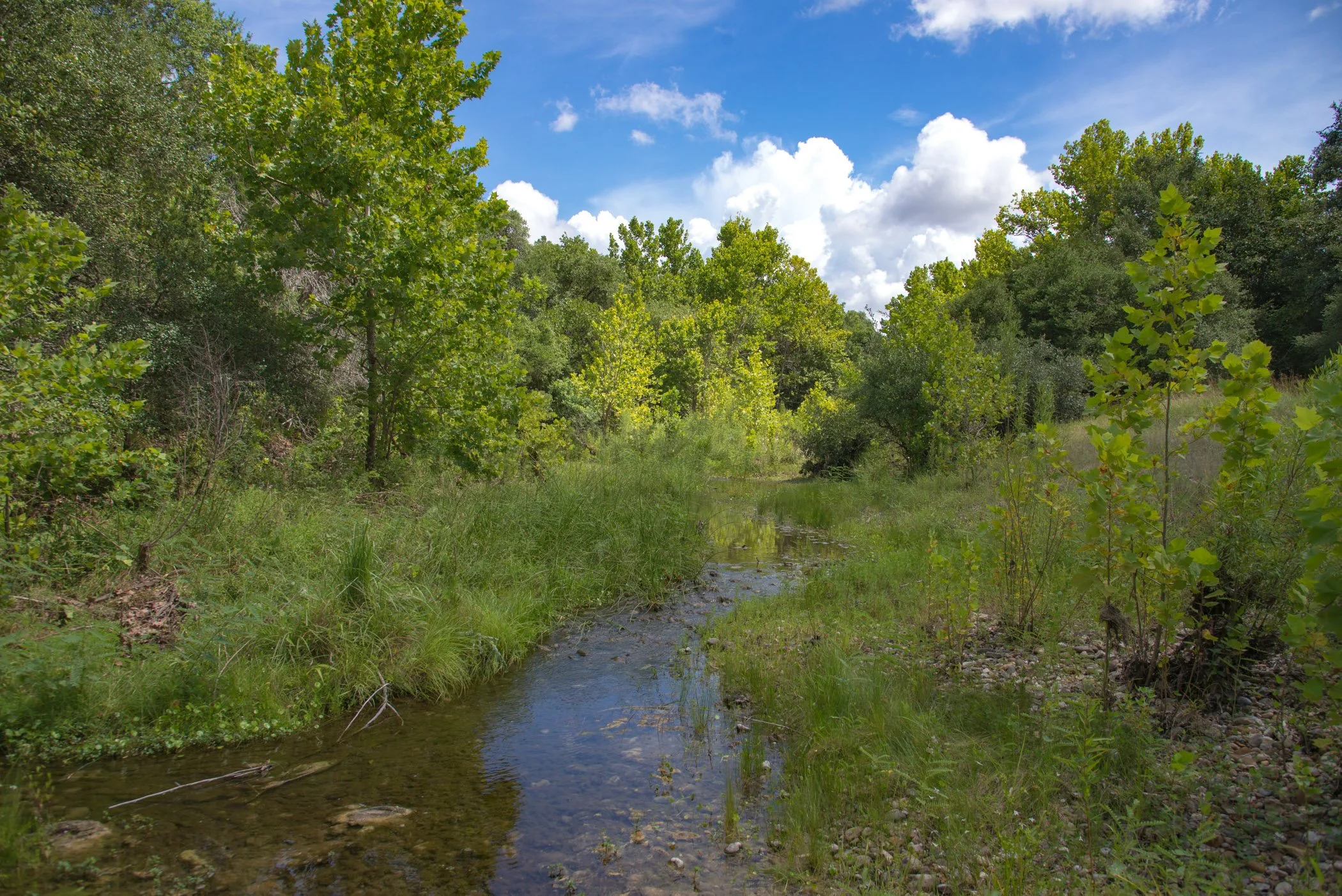
Martinek Farm’s open-space helps maintain riparian health in the spring-fed Ross Creek, which contributes water year-round into an ecologically significant segment of the Colorado River. The undeveloped land along the creek naturally filters rainfall, reduces erosion, protects wildlife habitat, and improves water quality. Exceptional aquatic life and threatened or endangered species occurring downstream include the blue sucker, Tampico pearly mussel, pimpleback mussel, and Texas fawnsfoot mussel. The property itself is host to abundant aquatic species such as bass, cichlid, and sunfish. Protecting land is one of the most effective ways to save water. Every acre conserved helps maintain water quality and quantity for both wildlife and the communities that depend on them.
Productive Agriculture and Habitats
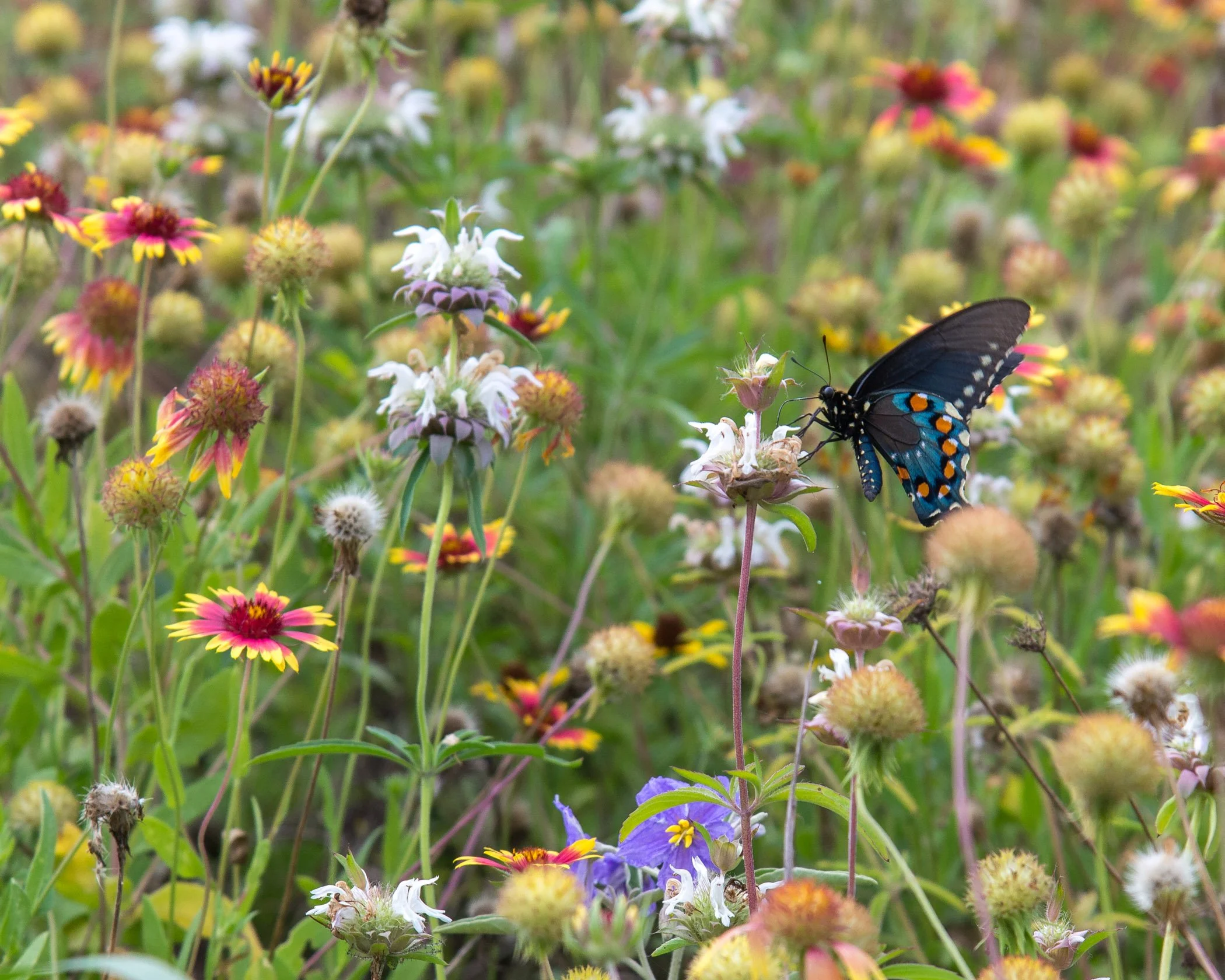
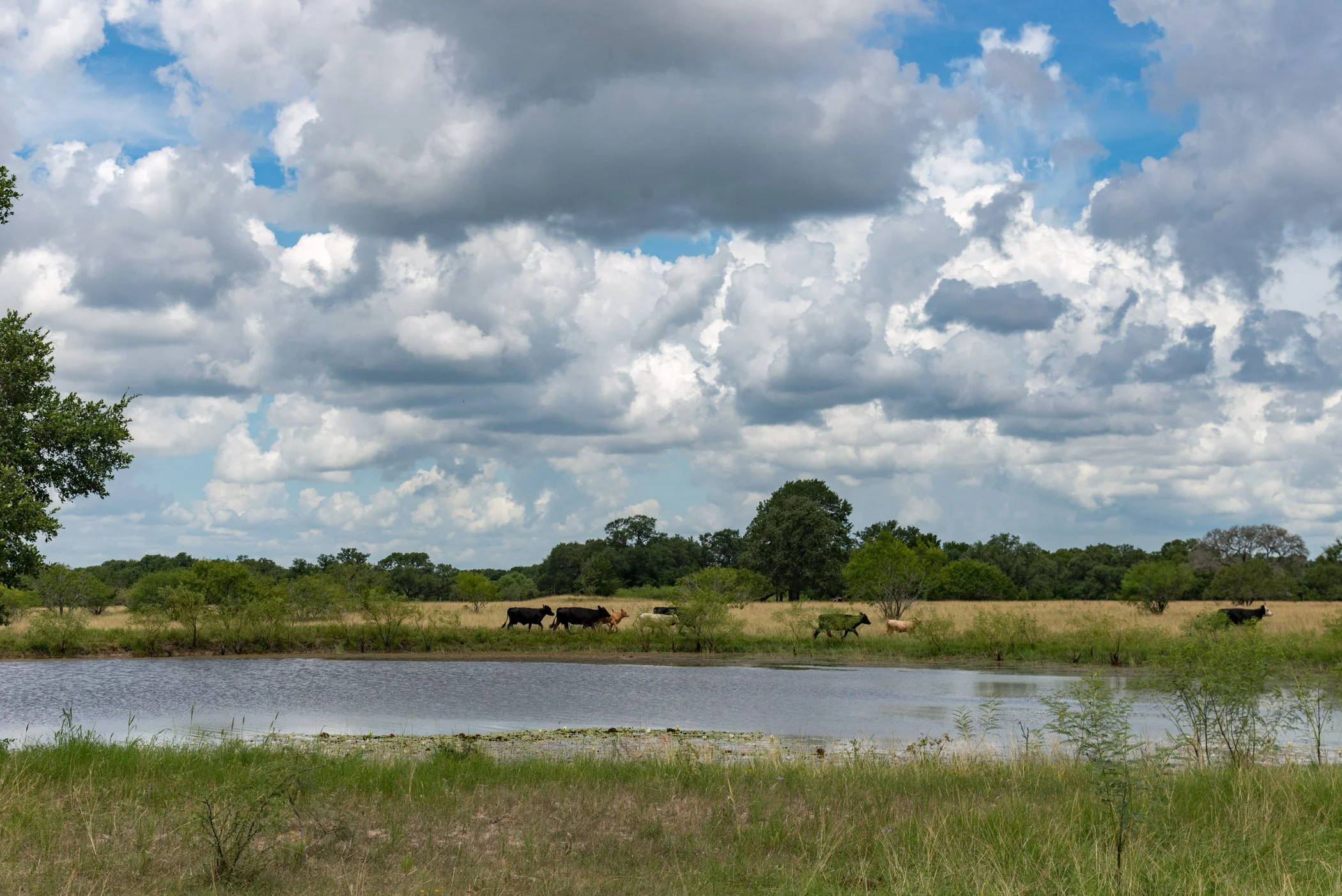
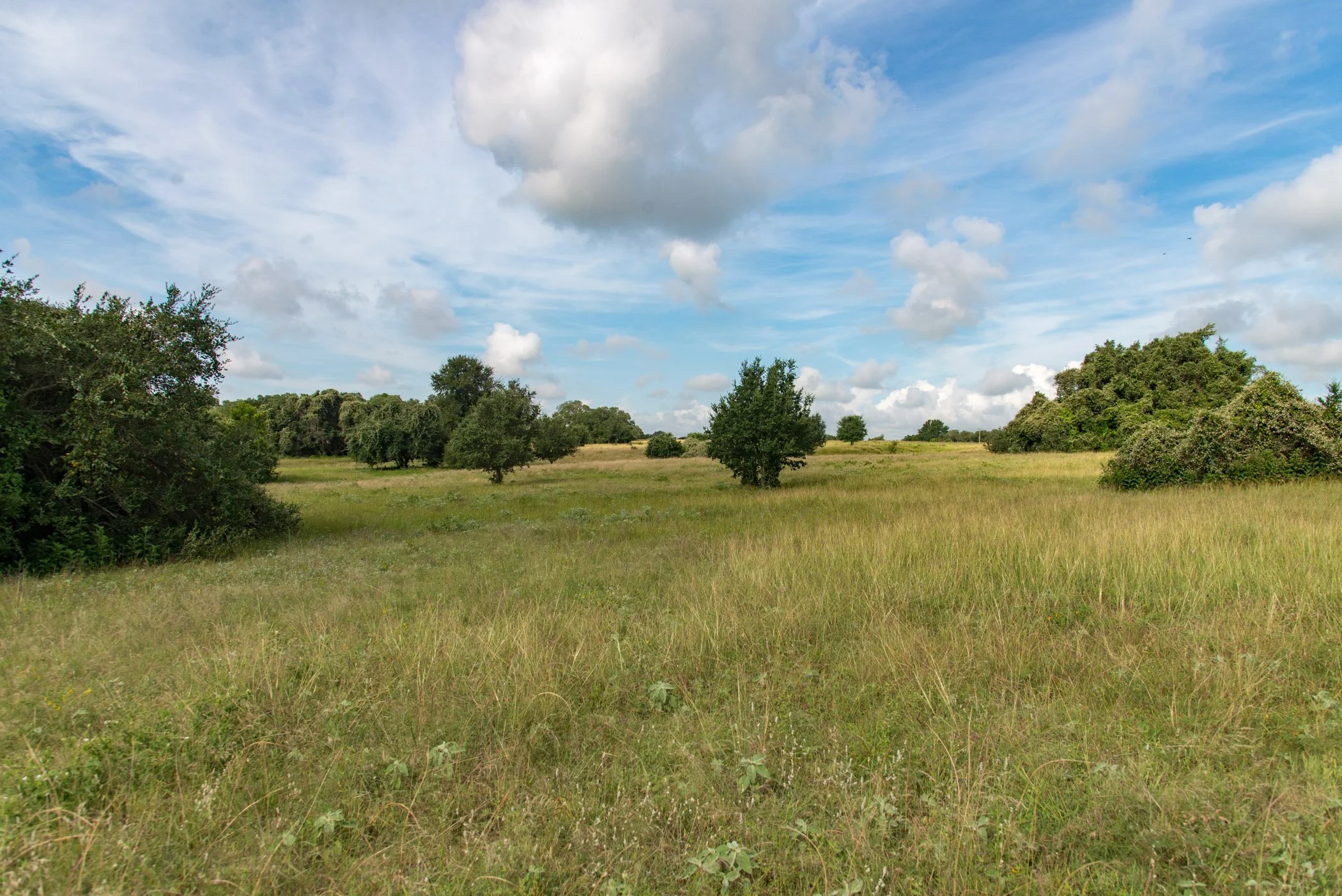
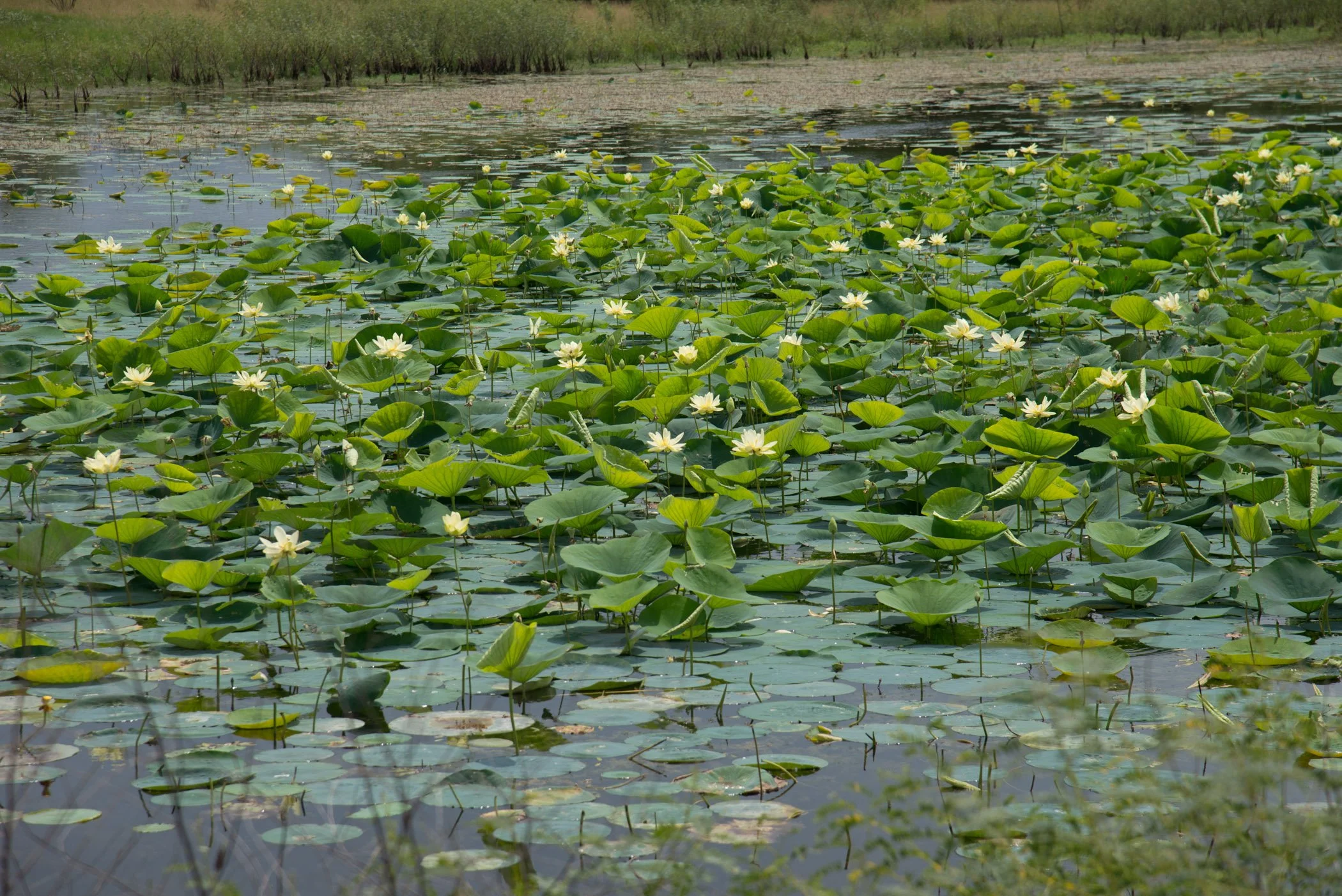
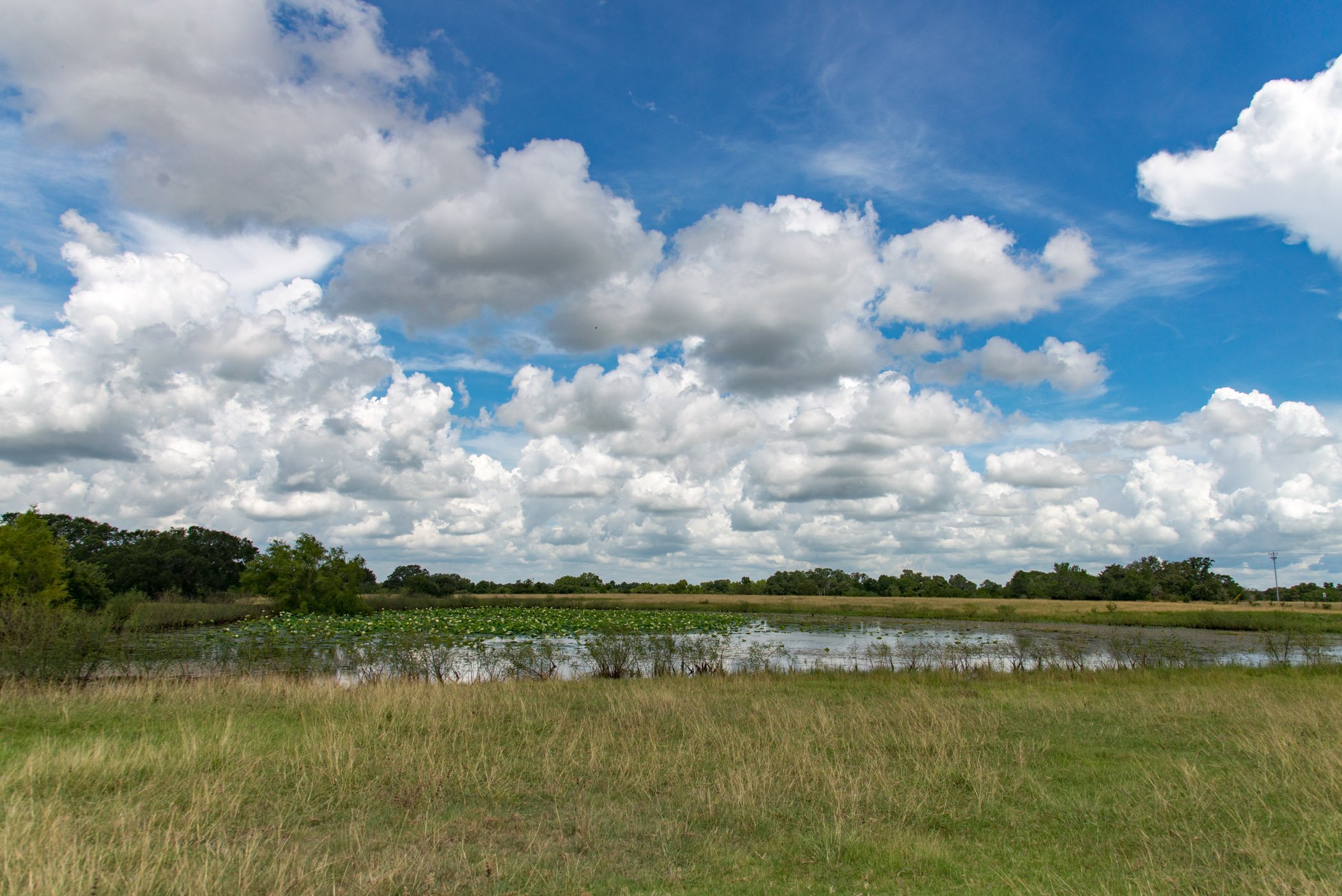
Nearly half of Martinek Farm’s soils meet the criteria for Farmland of Statewide Importance, which are the best combination of physical and chemical characteristics for producing food, feed, forage, and fiber. These are critical resources because prime pasture and forest lands are limited. The same qualities that support productive agriculture also foster productive habitats that sustain a diversity of native species. Across the uplands, open oak savannah and prairie grasslands with scattered live oaks supports grassland species, while denser oak-yaupon woodlands form thickets that support woodland wildlife and plant communities. Along Ross Creek and the surrounding low-lying floodplains, bottomland and riparian forests of mixed hardwoods create a cool, shaded corridor that links upland and wetland habitats. Throughout the property, freshwater ponds and open water/wetland areas—including aquatic habitat within Ross Creek—support marsh and pond plants and help sustain the farm’s overall ecological diversity.
History and Archeology
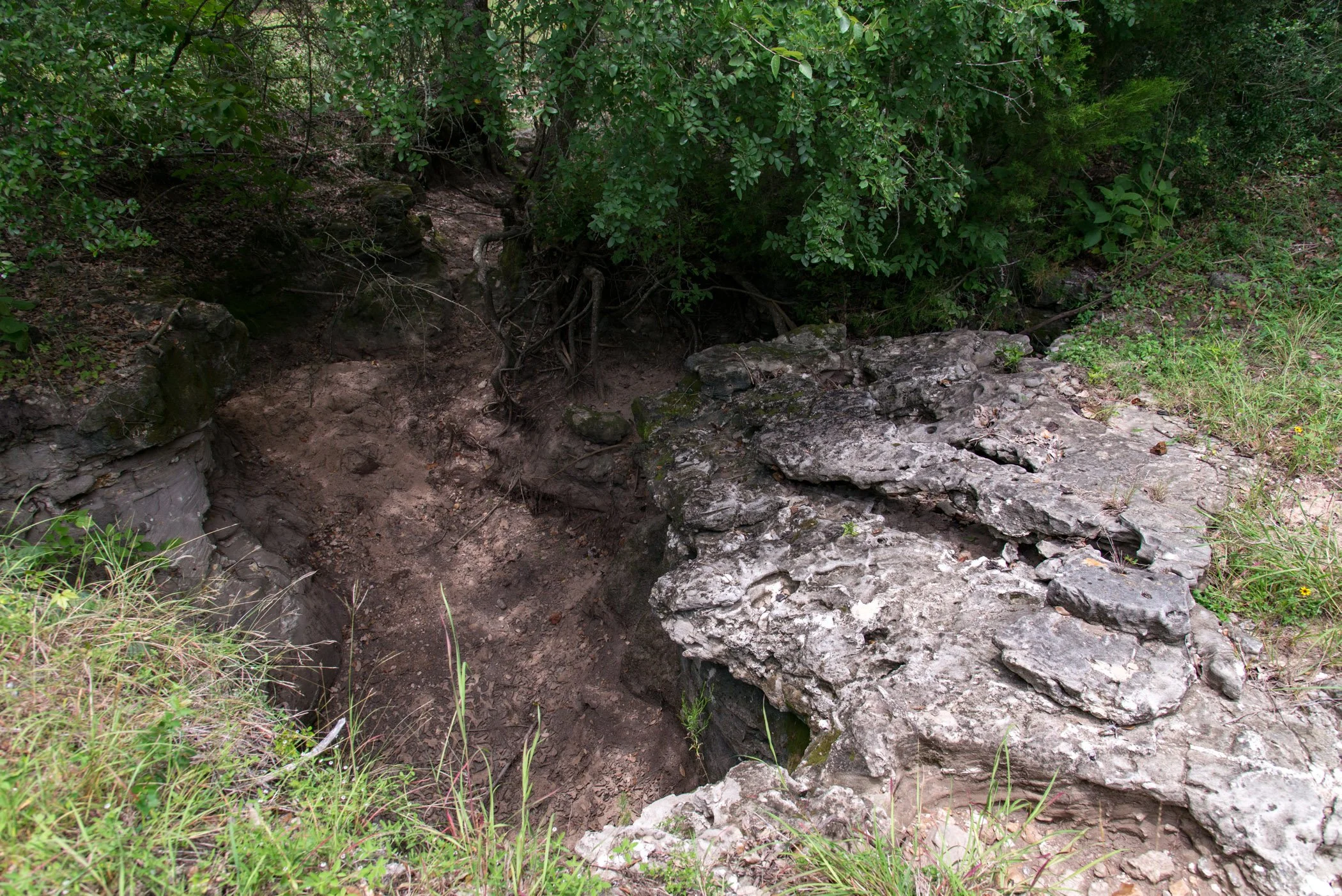
Martinek Farm contains significant historical context and archaeological resources tied to the Late Paleoindian to the Late Archaic periods and colonial settlement of Texas. A nearby Texas Historical Marker erected in 1985 for James J. Ross is inscribed:
“Born in South Carolina in about 1787, James Jeffres Ross was a member of the 'Old Three Hundred.' He arrived in Stephen F. Austin's colony in late 1822 or early 1823, moving onto the league granted him near Eagle Lake in Colorado County. In 1828 he moved to the S. A. Anderson League and built a home about one mile southwest of this site.
Col. Ross, as he was known, soon assumed a position of leadership as captain of the militia of the Colorado District. He was a delegate to the second convention at San Felipe in 1833 and was one of those appointed in 1834 to help obtain Austin's release from imprisonment in Mexico. He helped establish a stage line and a stop that became the town of Fayetteville.
An important figure during the early years of settlement in this part of the state, Ross was a successful farmer, rancher, trader, and merchant. Ross Prairie and Ross Creek, both in this vicinity, bear his name. He was killed by angry neighbors in January 1835 for sheltering Indians at his home and was buried in nearby Ross Cemetery. His home, which came to be known as the Ross/Martinek House, was owned by Czech immigrant Joseph Martinek and his descendants for nearly seventy years.”
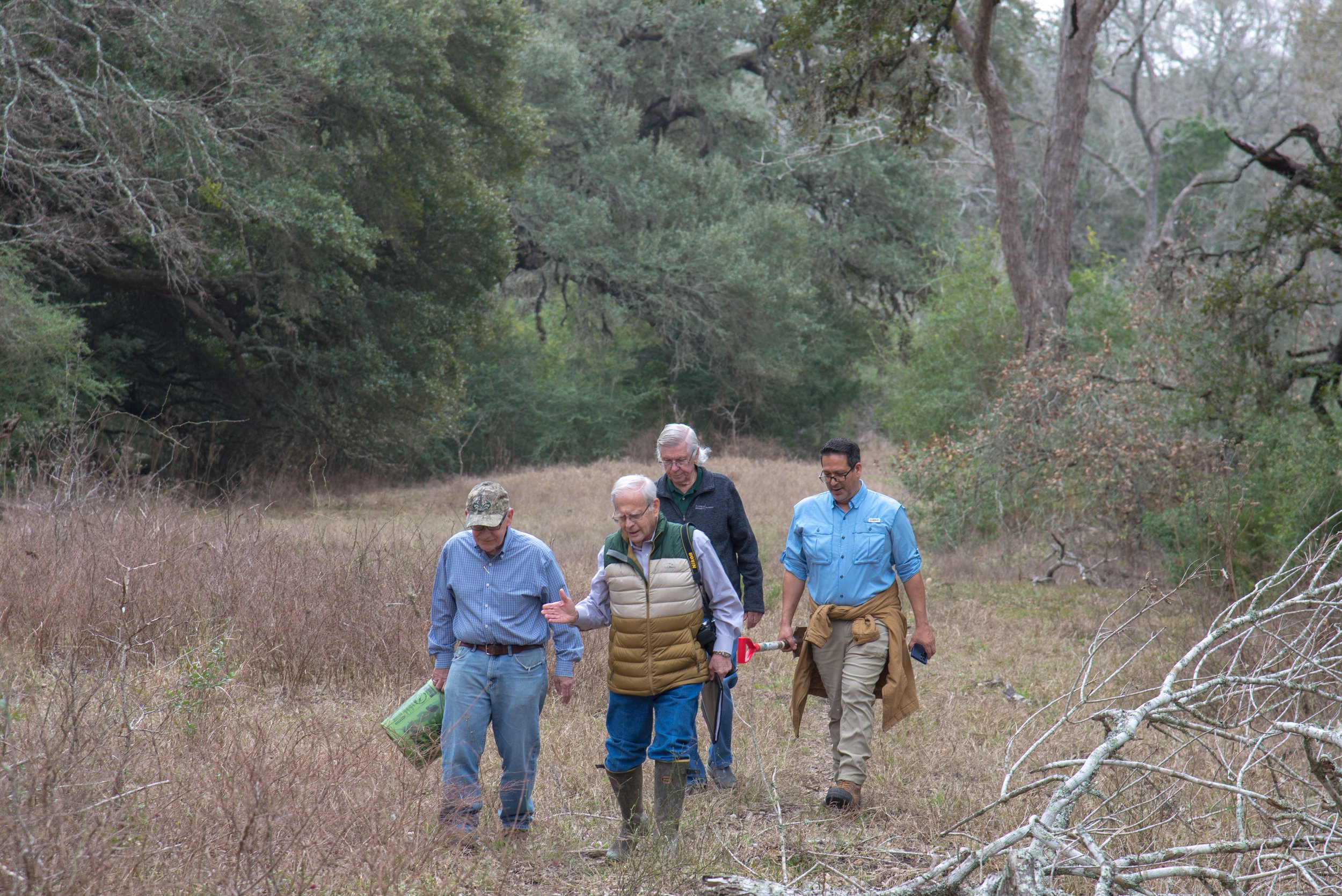
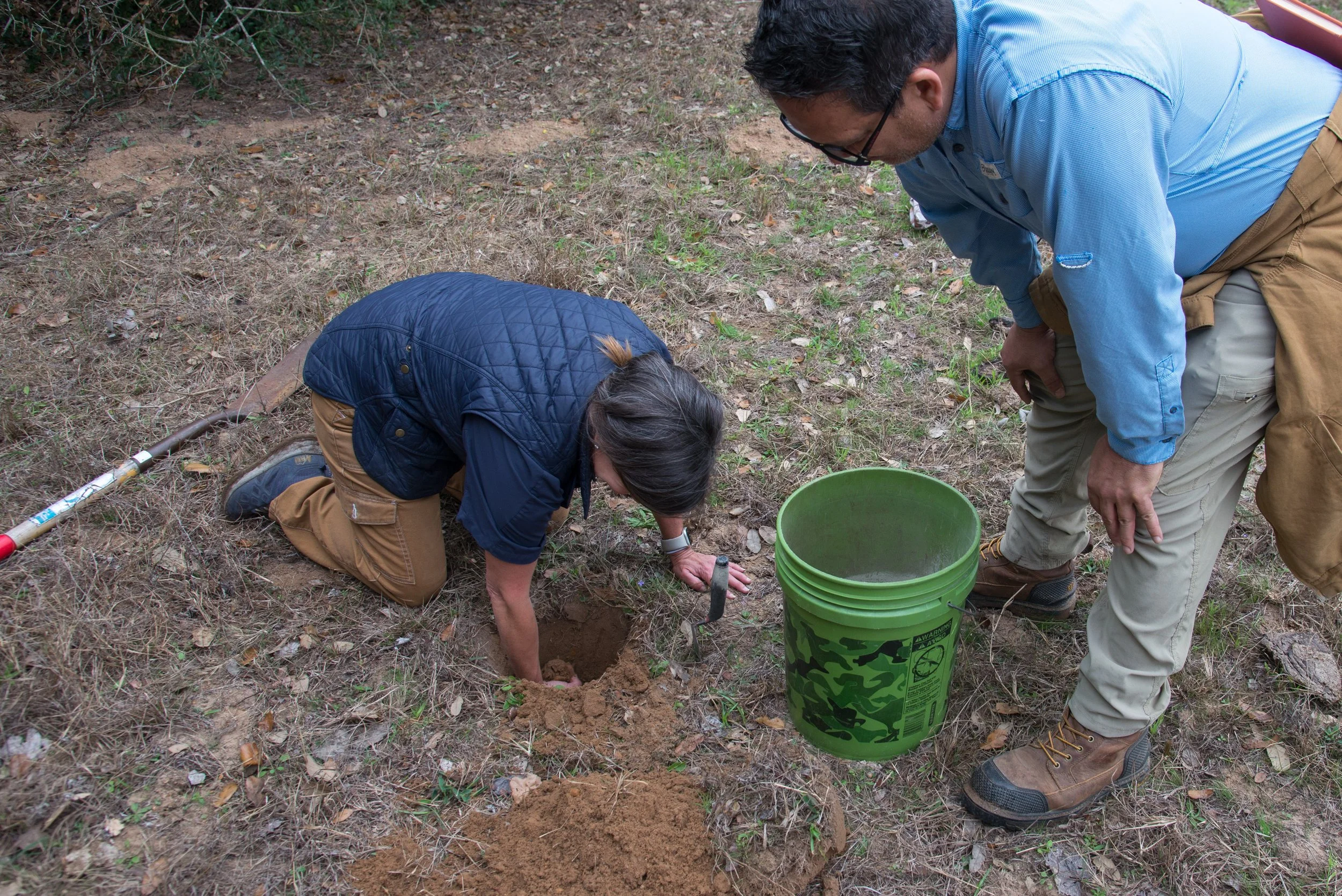
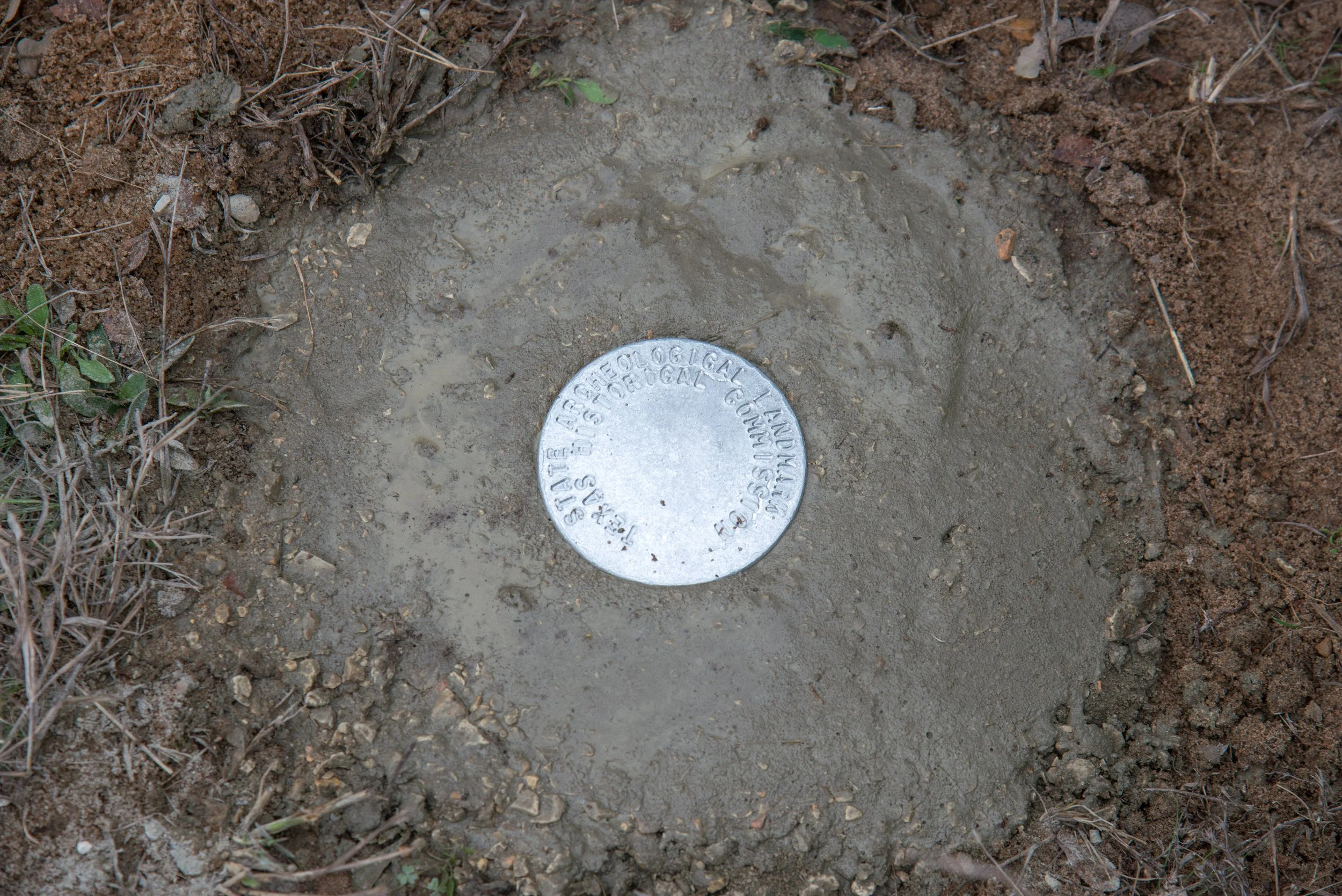
In recognition of the property’s archeological significance, the Texas Historical Commission designated a State Archeological Landmark at Martinek Farm in 2025, providing additional protection to its cultural resources (pictures below).
A Gift of Conservation Easement
For landowners like Russell, Debbie, and Ardie, the desire to protect their family land is clear. It’s the dedication to the process and the commitment to doing things right that make all the difference. Conversations with a land trust and among family members can take time and careful consideration. Fortunately, with expert advice, support from service providers, a grant from Texas Land Trust Council, and patience from everyone involved, this story has a happy ending. The donation of a conservation easement is one of the most generous gifts a landowner can make to natural resources, to history and a family legacy, and to the people of Texas. We are grateful to Russell, Debbie, and Ardie for their gift, their commitment to conservation, and the trust they placed in Texas Land Conservancy.
An additional thank you to Jim Bradbury, for helping to negotiate this project, and all other service providers contributing to its completion.
Photos by Stephen Ramirez.
Edited by Valeria Bridgewater.
Help protect more properties like this across the state!
Texas Land Conservancy could not do this important conservation work without our members, partners, and supporters. With your support, we can work with more landowners and protect more land across the state from the negative effects of land fragmentation and poorly-planned development.