171 Acres of Grasslands and Woodlands Protected Forever
A legacy gift from one person is helping create a lasting resource for an entire community.
On the northwest side of Temple, 171 acres of grassland and woodlands is Chatham Park, an exciting new City of Temple public nature park with a permanent conservation easement protecting it’s natural resources in perpetuity. The property offers scenic open space, wildlife habitat, a suite of nature-based recreational opportunities, and something that is becoming increasingly difficult to find as communities grow: undeveloped land where people can experience nature close to home.
The story of Chatham Park began years before the park itself existed. It began with a landowner, Peggy Chatham, who wanted to see her property conserved beyond her lifetime.
A Legacy Gift
Years before her passing, Peggy Chatham put an important plan into motion. She worked with her trusted CPA, Leland Gersbach, to serve as the executor of her estate and fulfill her goals of land conservation. Leland first connected with TLC in 2022 to begin thinking through the options available for a key piece of land on the Northwest side of Temple. It was agreed that this property was a once in a generation opportunity for the local community to acquire a public nature park with Texas Land Conservancy ensuring its permanent protection with a conservation easement.
Two Tracts, Two Landscapes
Chatham Park is comprised of two distinct tracts divided by SH 317, a major public thoroughfare. Together, they tell a story about the different landscapes of Central Texas.
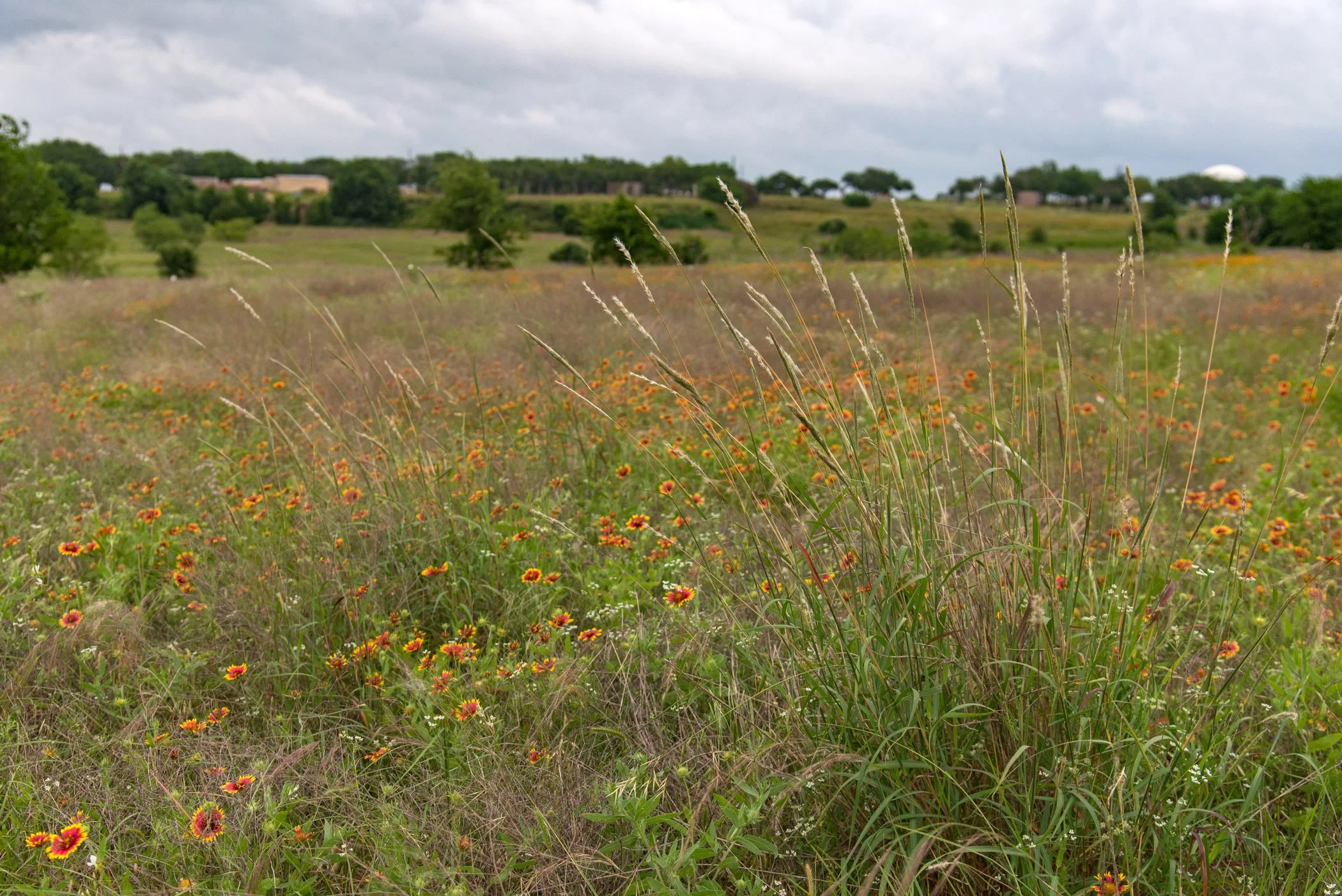
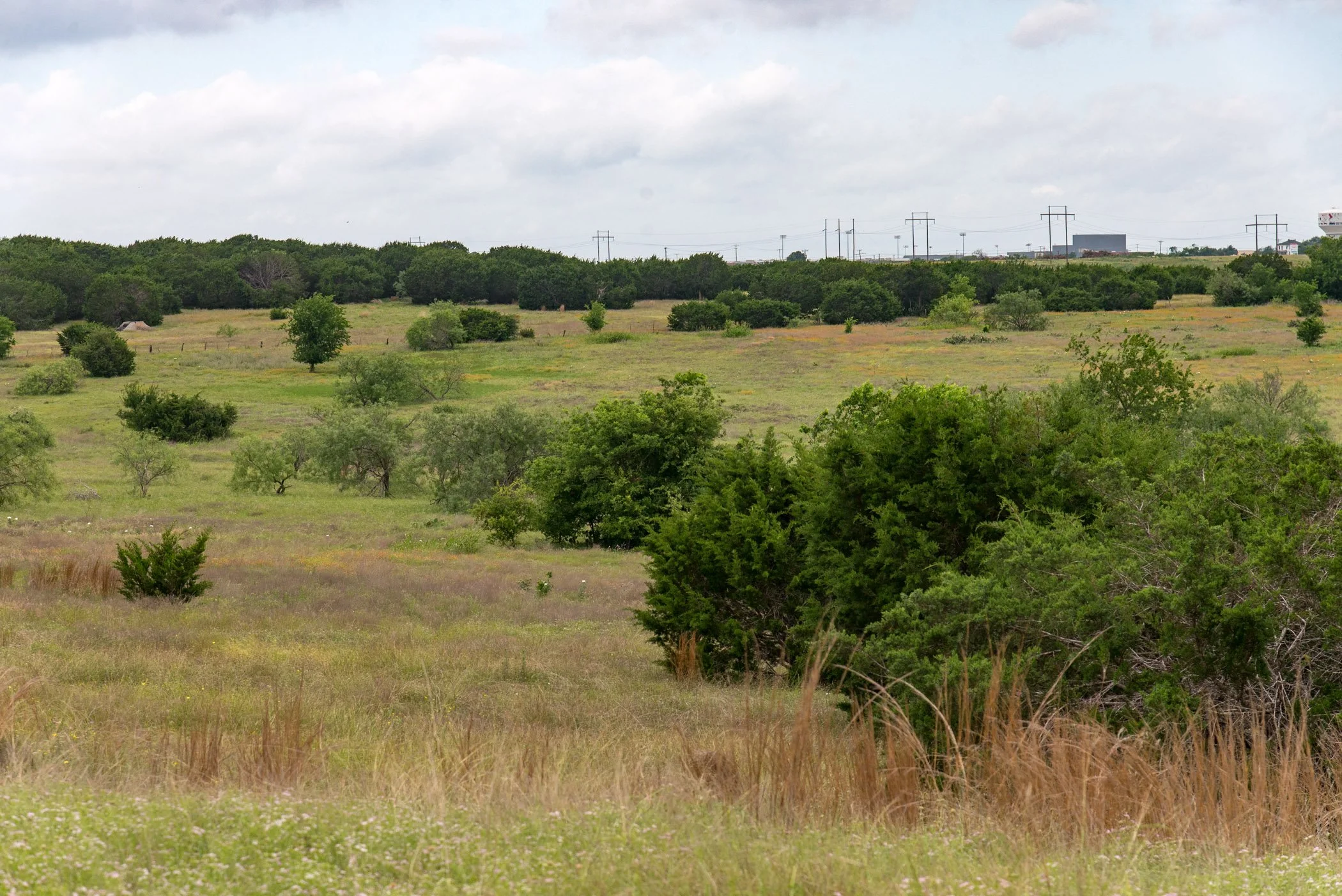
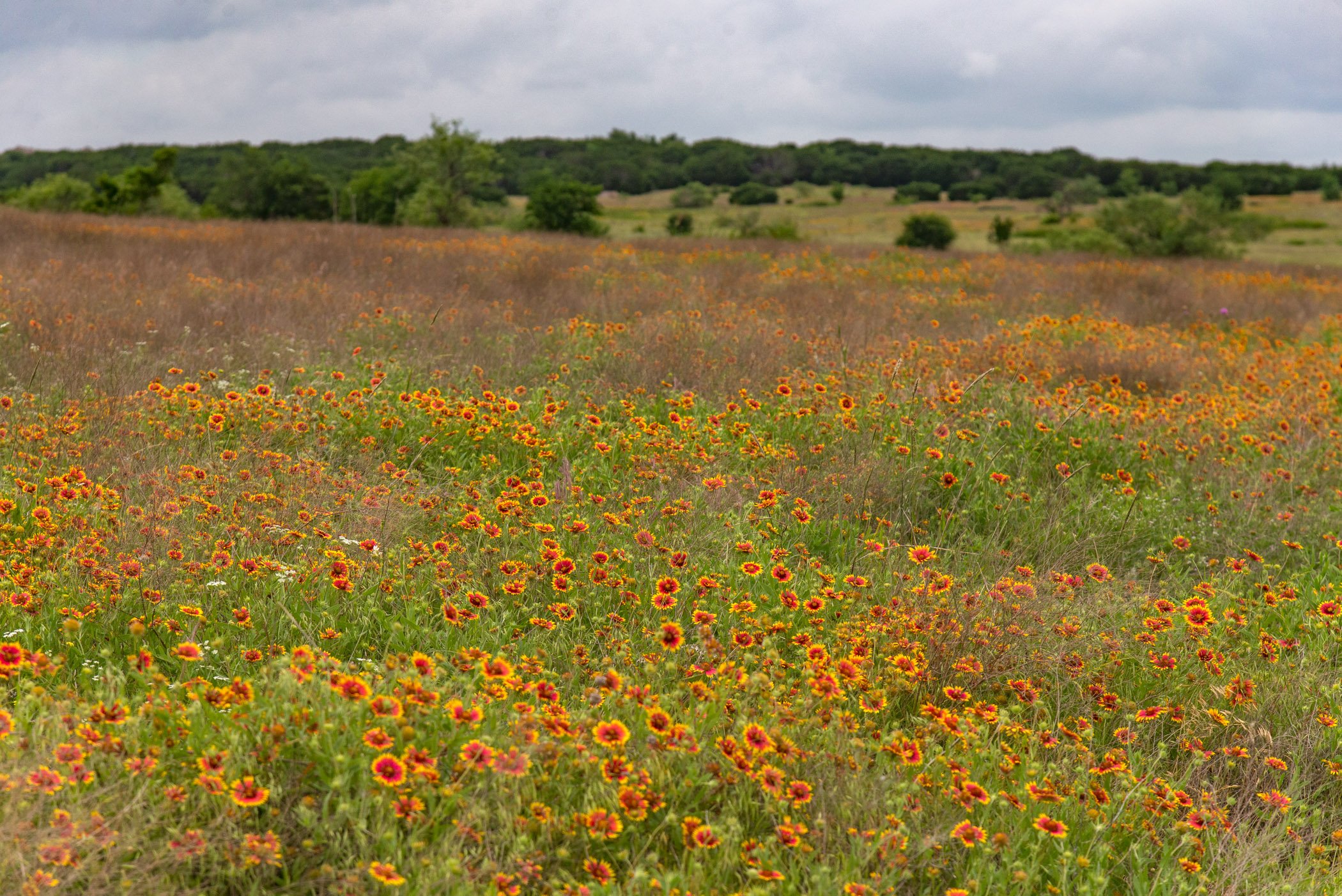
The East Tract is a lush grassland of gently rolling hills. This large open space provides exceptional scenic views along its SH 317 and SH 36 road frontages and supports grassland species that depend on its open habitat. It adjoins the Bellwood Memorial Park Cemetery and supports compatible land uses with the nearby Draughon-Miller Central Texas Regional Airport where development encroachment is rapidly advancing.
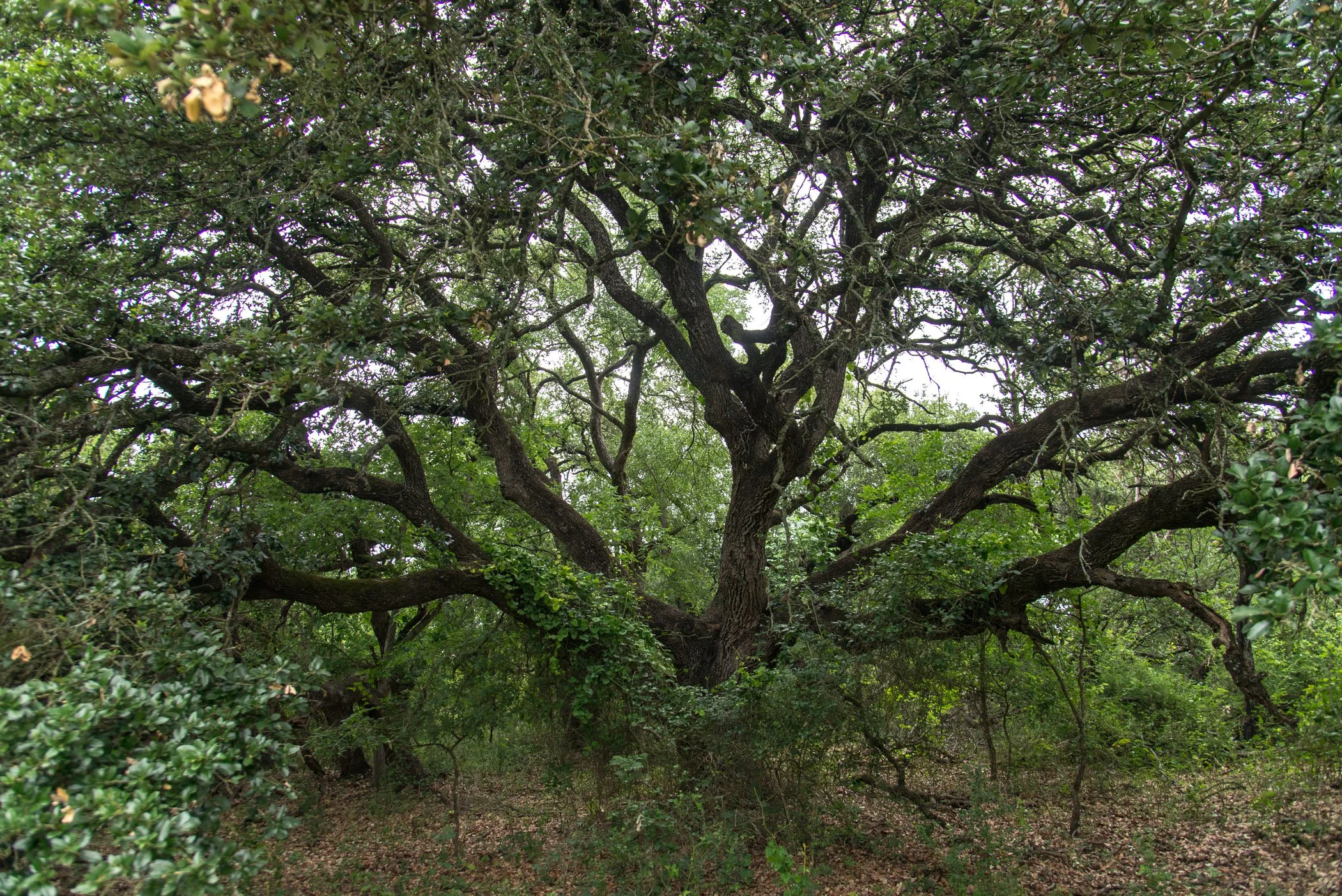
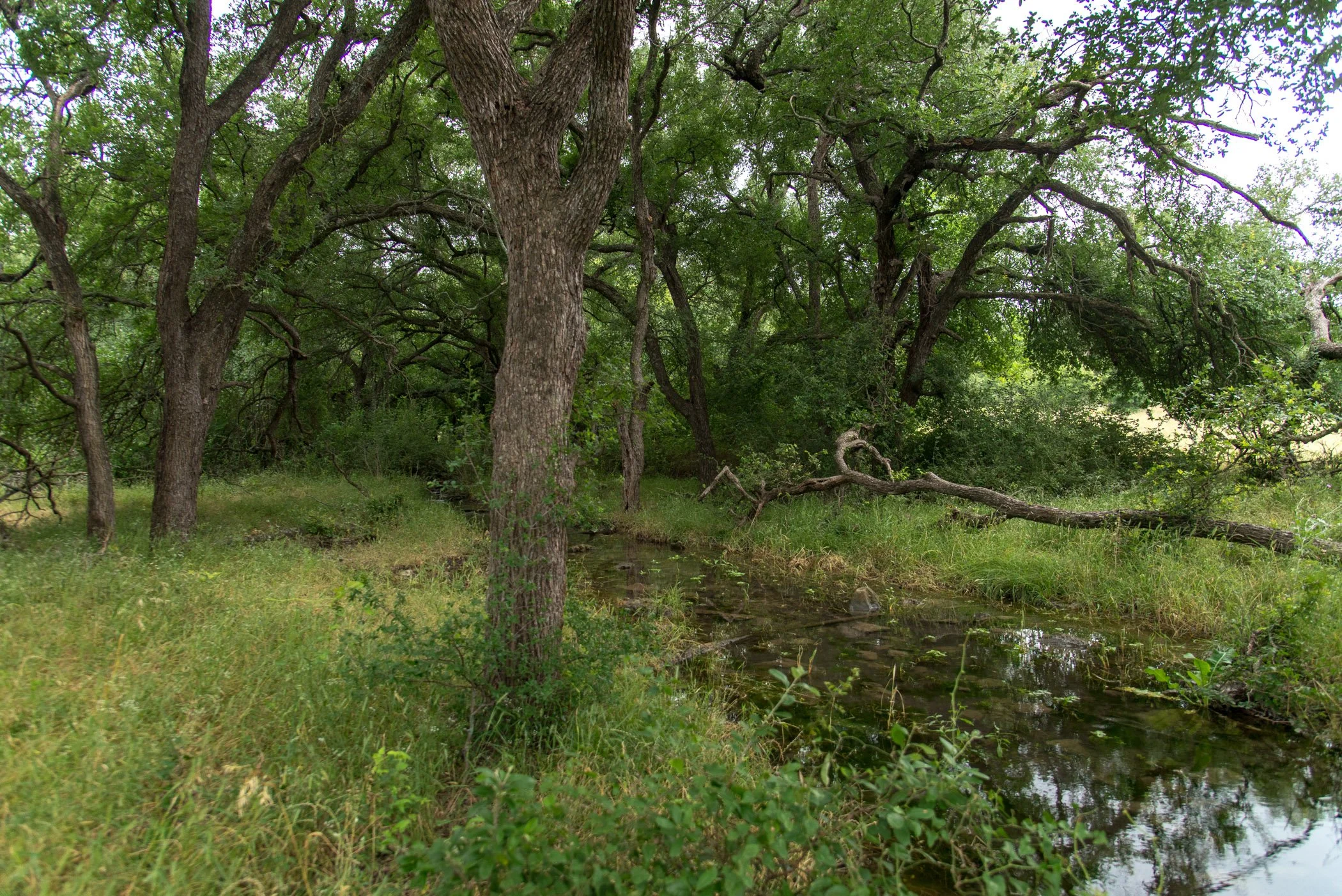
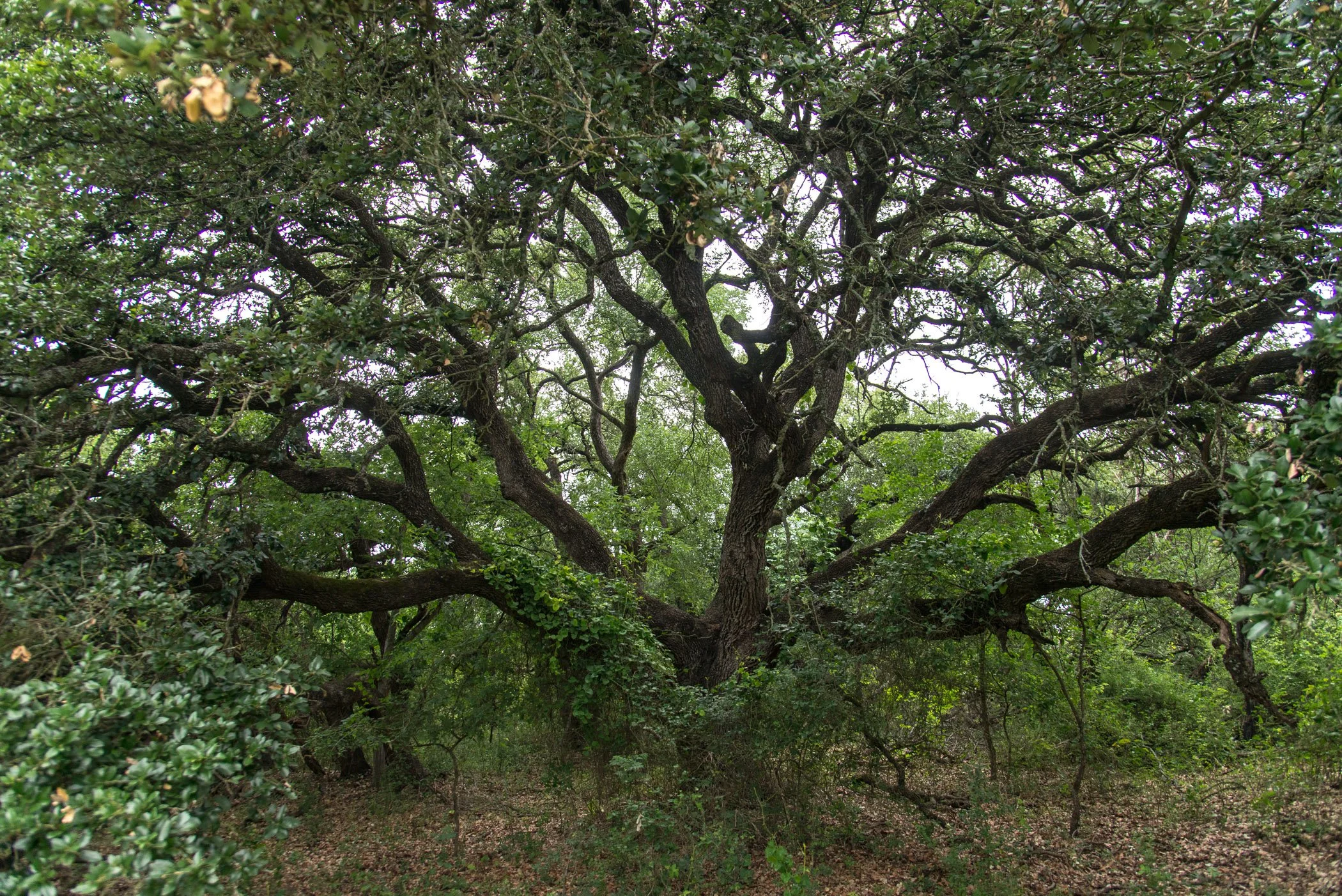
In contrast, the West Tract is slightly larger and has a different character. Oak, juniper, and cedar elm woodlands are interspersed with pockets of open grasslands. Additionally, the West Tract is connected to floodplain and riparian areas of Cedar Creek and Lake Belton.
The juxtaposition of these two tracts isn’t merely a coincidence, it’s a showcase of the distinct transition from the Blackland Prairie ecoregion to the east and the Limestone Cutplain to the west.
A Home for Plants and Wildlife
The value of Chatham Park is not only what people will see when they visit. Its grasslands and woodlands provide food, shelter, and habitat for a remarkable variety of native plants and wildlife.
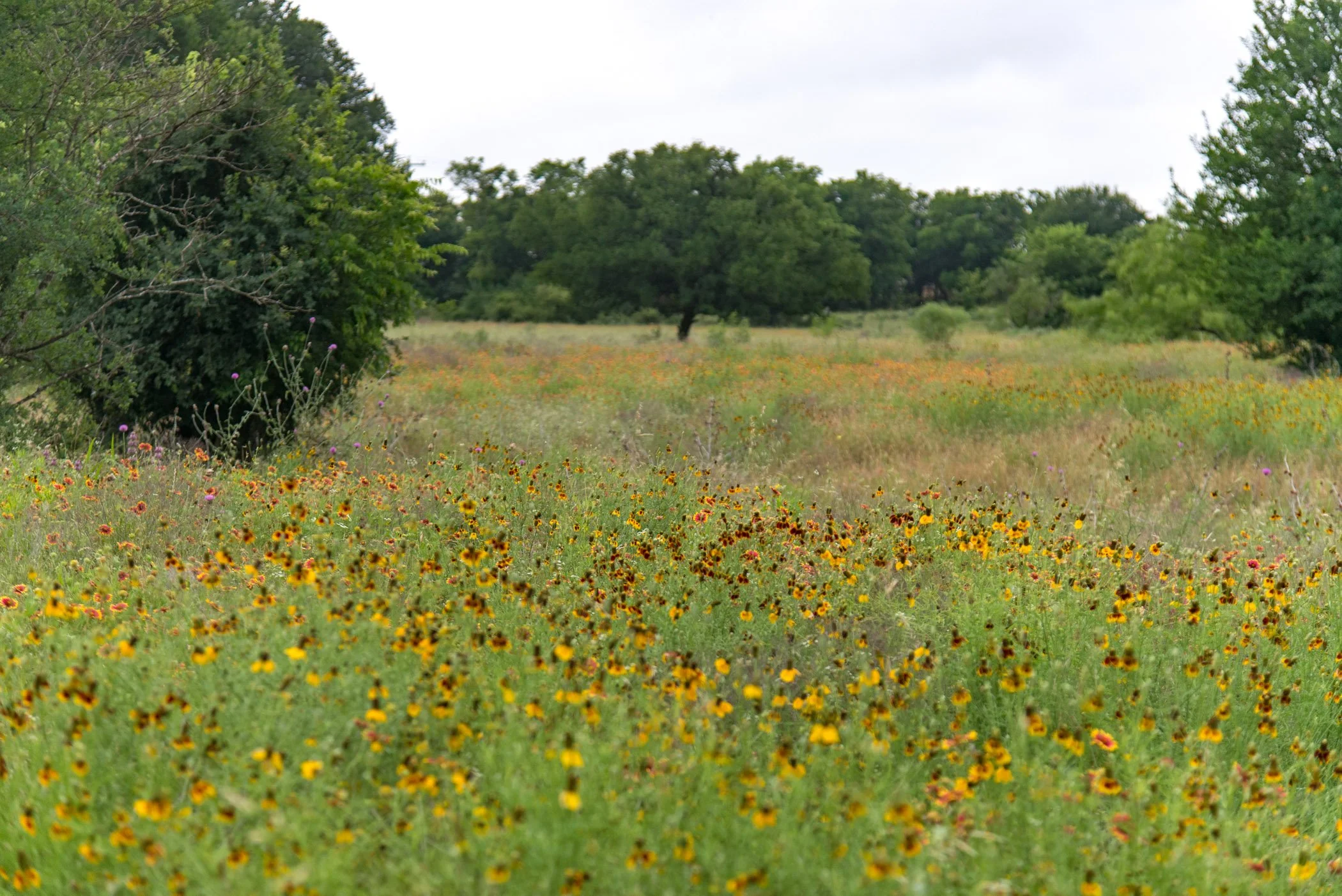
Native grasses and forbs such as little bluestem, silver bluestem, Texas grama, purple threeawn, vine mesquite, windmill grass, and hairy tridens grow throughout the grasslands. Among them are bluebonnet, firewheel, American basketflower, upright prairie coneflower, Texas paintbrush, blazing-stars, black-eyed Susan, lemon beebalm, and Texas thistle. Milkweeds, including zizotes and antelopehorn milkweeds, are also present. These plants are critical because milkweeds support the declining Monarch butterfly by providing food for the caterpillars. Grassland birds observed utilizing these areas to hunt insects include Eastern bluebird, scissor-tailed flycatcher, Western kingbird, blue grosbeak, dickcissel, and Northern mockingbird. Mourning dove, lesser goldfinch, and painted bunting are resident seed eaters feasting on the native grasses, thistle, and sunflowers.
The woodlands offer a different habitat. Liveoaks and Ashe juniper trees grow alongside cedar elm, Texas persimmon, Texas ash, stretchberry, gum bumelia, western soapberry, agarita, sorrelvine, and Eve’s necklace. Carolina chickadee, black-crested titmouse, Carolina wren, Bewick’s wren, blue jay, red-bellied woodpecker, Northern cardinal, and blue-gray gnatcatcher are woodland dwellers utilizing the habitat for food and shelter. White-eyed vireo and Bell’s vireo are also present – easily heard but hard to see!
This diversity is part of what makes the land valuable. A place with grasslands, woodlands, streams, and other natural features can support many different species, while also giving people the chance to encounter that diversity firsthand.
And we are still learning what Chatham Park has to offer. As the park develops and more opportunities arise, we will continue to discover more about the plants and wildlife that call this place home.
Water is What’s Important
There is another part of Chatham Park’s story that may be less visible but is just as important: water.
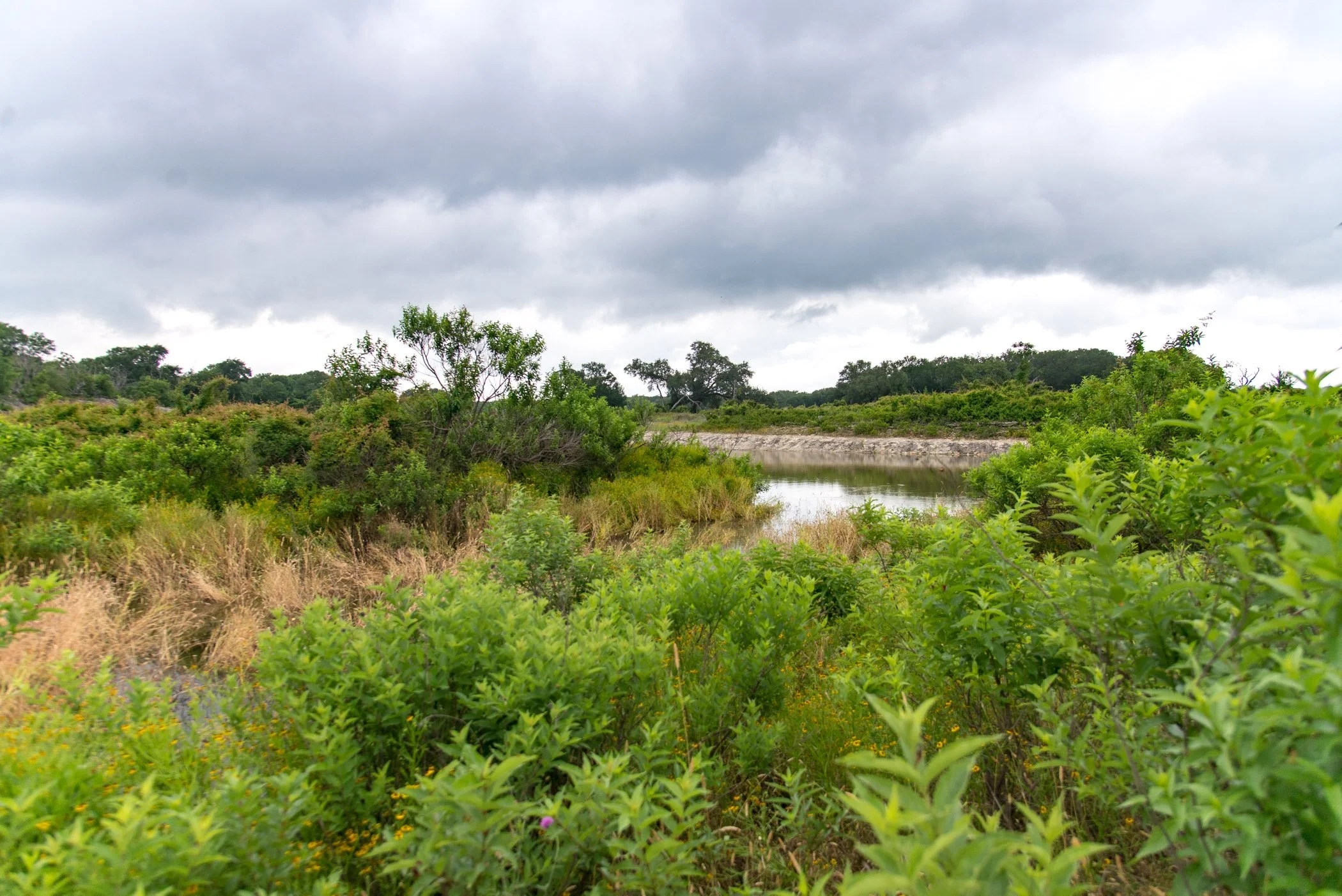
Cedar Creek-Lake Belton watershed, where Chatham Park lies, has an 88 out of 100 Importance to Surface Drinking Water Index (that means it’s really important to drinking water!) with over 160,000 downstream consumers. The property’s natural landscapes absorb rainfall, slow runoff, and help recharge the Trinity aquifer. Limiting impervious cover and development of the property will ensure these ecosystem services of water filtration and aquifer recharge can continue to function. A rather interesting and unique resource on the property is seasonal streamflow from a local perched aquifer.
Watershed protection is one of the less visible benefits of conserving land. A person walking through Chatham Park may notice a wildflower, hear a bird, or enjoy the shade of an oak tree. They may not notice the rainfall being absorbed into the soil, or the runoff being slowed before it reaches a creek. Protecting land from being fragmented and developed is one of the most successful ways to conserve water and keep these natural processes working. Those benefits extend far beyond the boundaries of the park.
A Community Treasure in the Making
Chatham Park is a reminder that conservation does not happen in isolation, but rather through intentional partnerships.
Peggy Chatham’s decision to plan for the future of her land created an opportunity. Her estate helped carry that vision forward. TLC ensures the land’s natural character will be permanently protected through a conservation easement. Texas Land Conservancy is thrilled for the City of Temple to begin this exciting new public nature park journey - spearheaded by an enthusiastic Parks and Recreation department and supported by Central Texas Chapter of Texas Master Naturalist community parters. Chatham Park will give visitors the opportunity to experience its diverse landscapes, provide a protected home for a variety of wildlife, and offer the community a place to explore and learn from nature for generations to come.
One Decision with Profound Impacts
Join us in honoring the foresight, thoughtfulness, and generosity of the late Peggy Chatham. It’s remarkable what kind of impact an individual can make for the benefit of the environment and the people of Texas. Thank you to Leland Gersbach for trusting in Texas Land Conservancy and Jake Bandas, Assistant City Attorney, for supporting the transaction.
Photos by Stephen Ramirez.
Edited by Valeria Bridgewater.
What will you leave behind?
Including Texas Land Conservancy in your will or creating a planned gift can help ensure that the work you care about continues beyond your lifetime.
Already included TLC in your will or estate plans? We’d love to know so we can thank you for helping shape the future of conservation.
If you have questions, contact mark@texaslandconservancy.org or 512.301.6363
Help protect more properties like this across the state!
Texas Land Conservancy could not do this important conservation work without our members, partners, and supporters. With your support, we can work with more landowners and protect more land across the state from the negative effects of land fragmentation and poorly-planned development.