
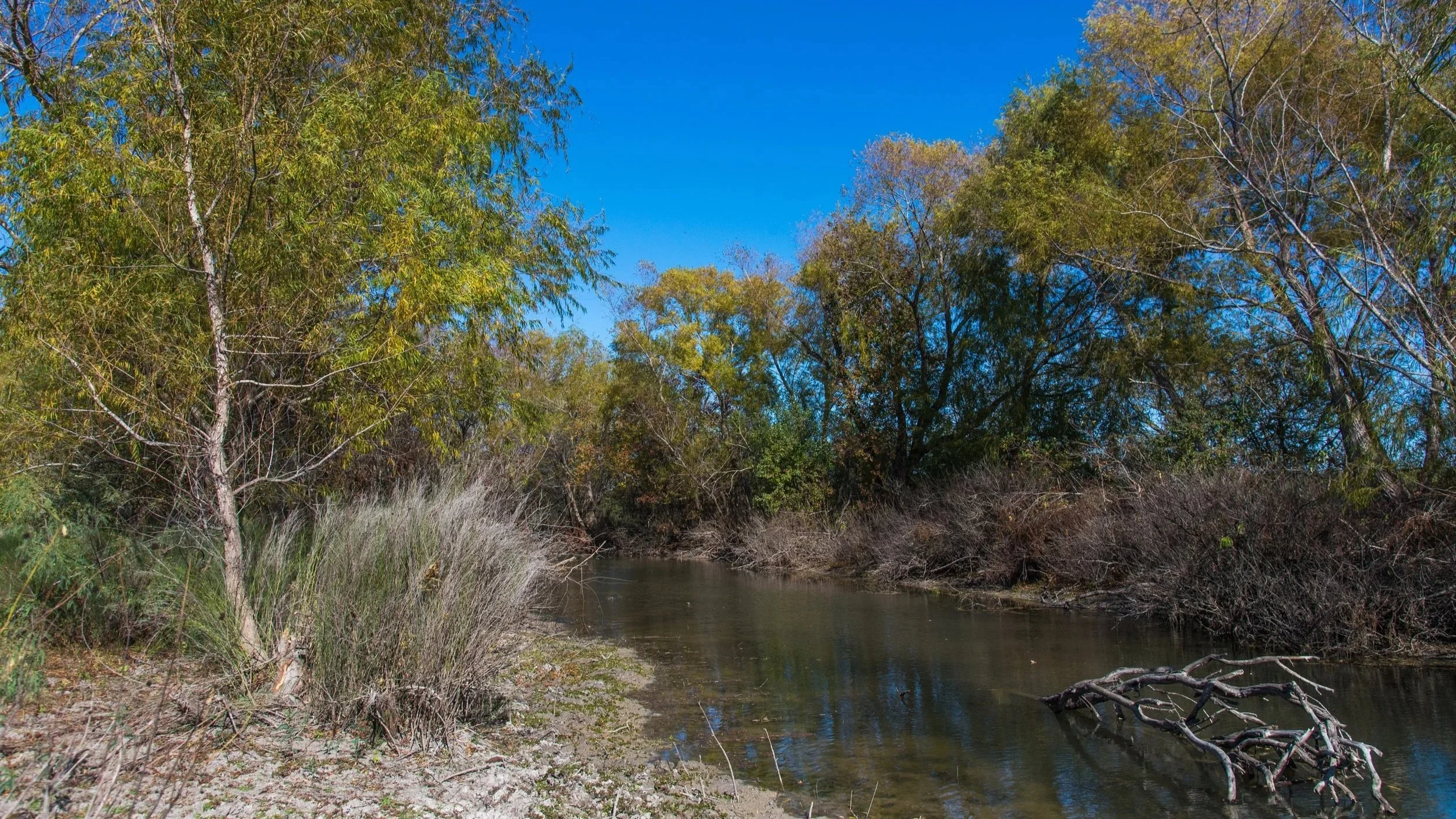
In the southern tip of Hays County, where the outskirts of San Marcos are undergoing immense growth and development, a large family cattle ranch defies its surroundings. Now, thanks to a generous contribution by the Carson Family who have owned the property for over 20 years, the most vital part of this land is protected forever with a permanent conservation easement on 357 acres, more than twice the average farm or ranch size in Hays County.
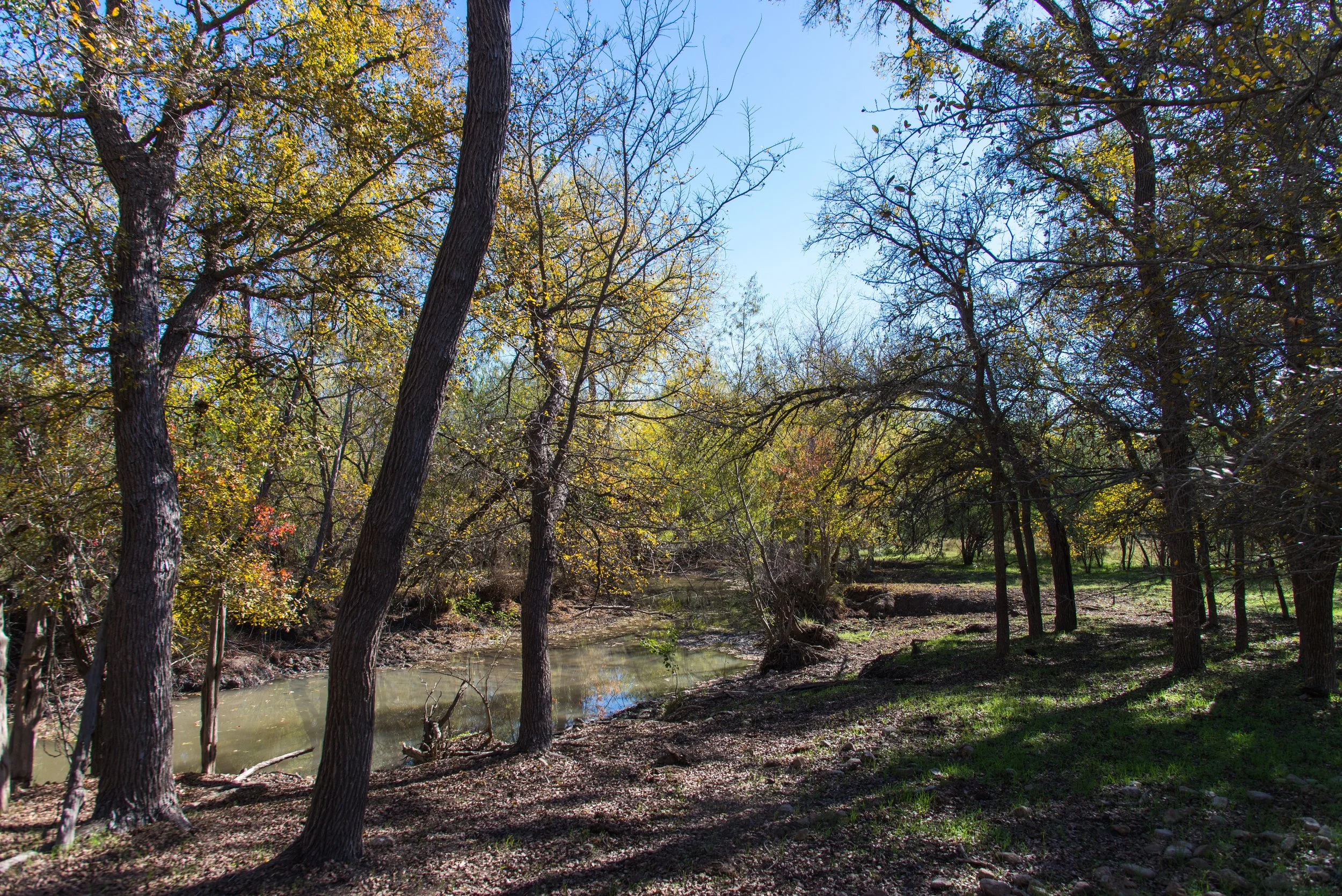
La Paloma Ranch sits below the Balcones Escarpment where the iconic Hill Country meets the Northern Blackland Prairie ecoregion. The grasslands, riparian forest, and open water habitats associated with its long stream valley and adjoining uplands, support vulnerable species on and off property.
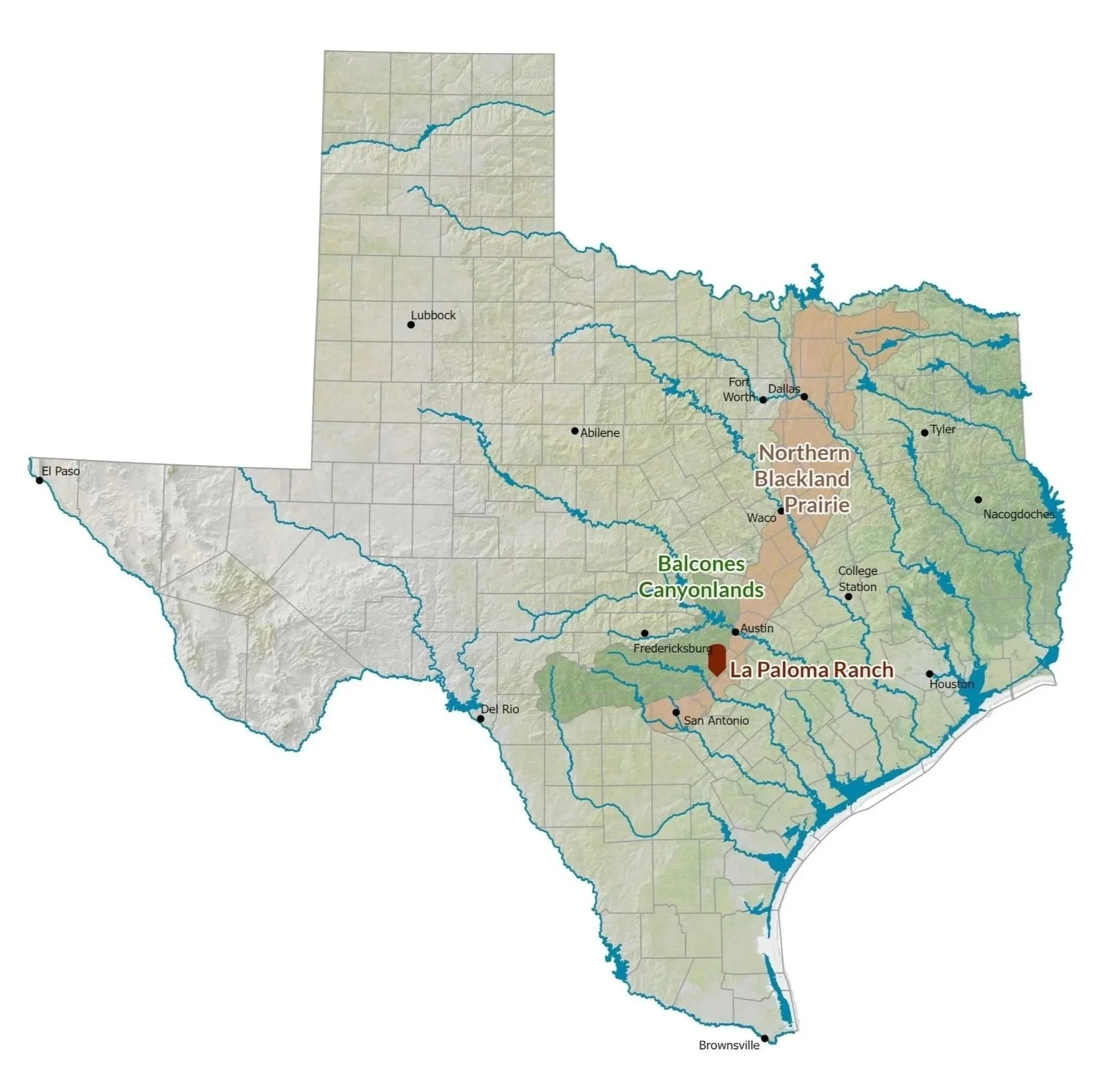
Watershed Connections and Impacts
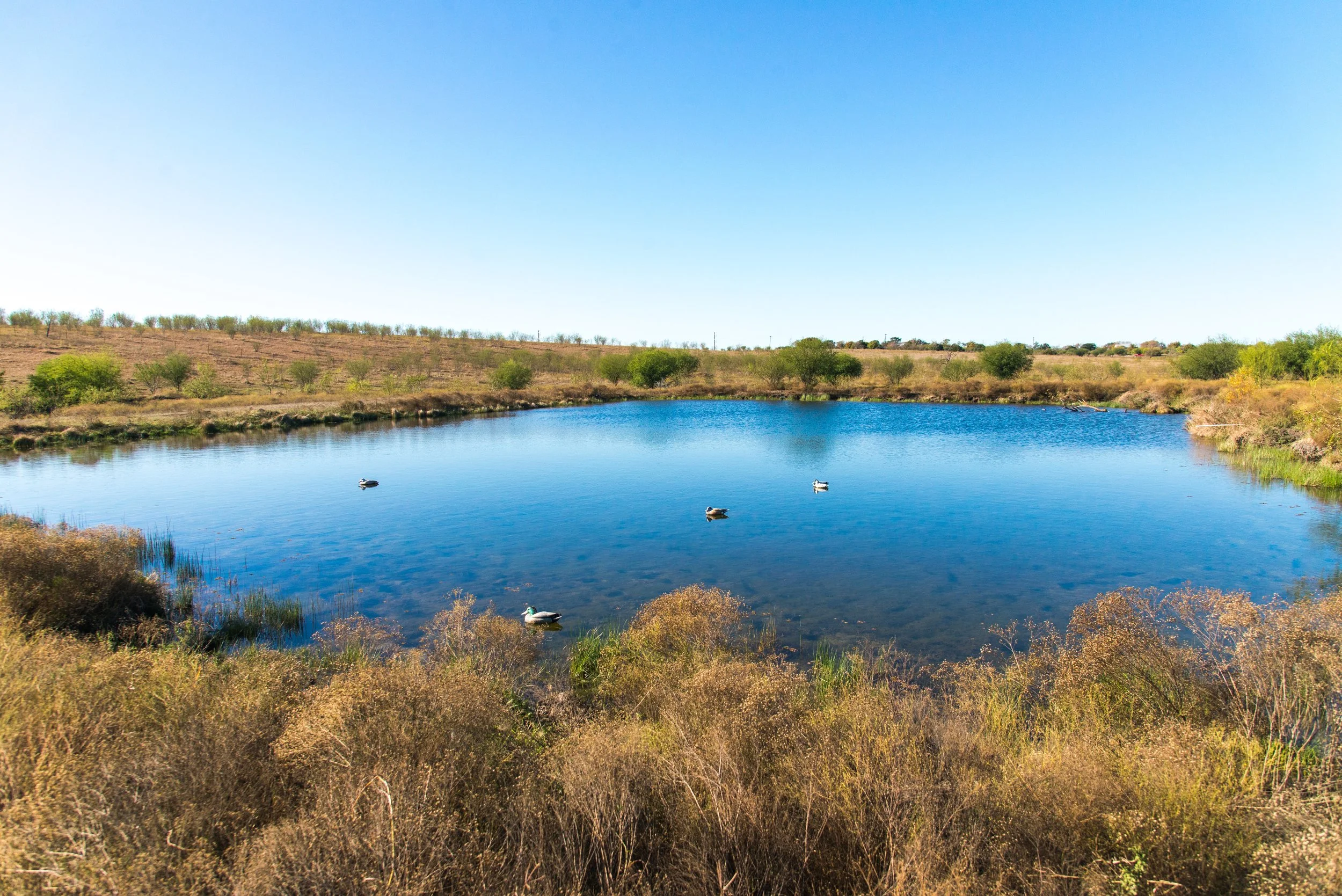
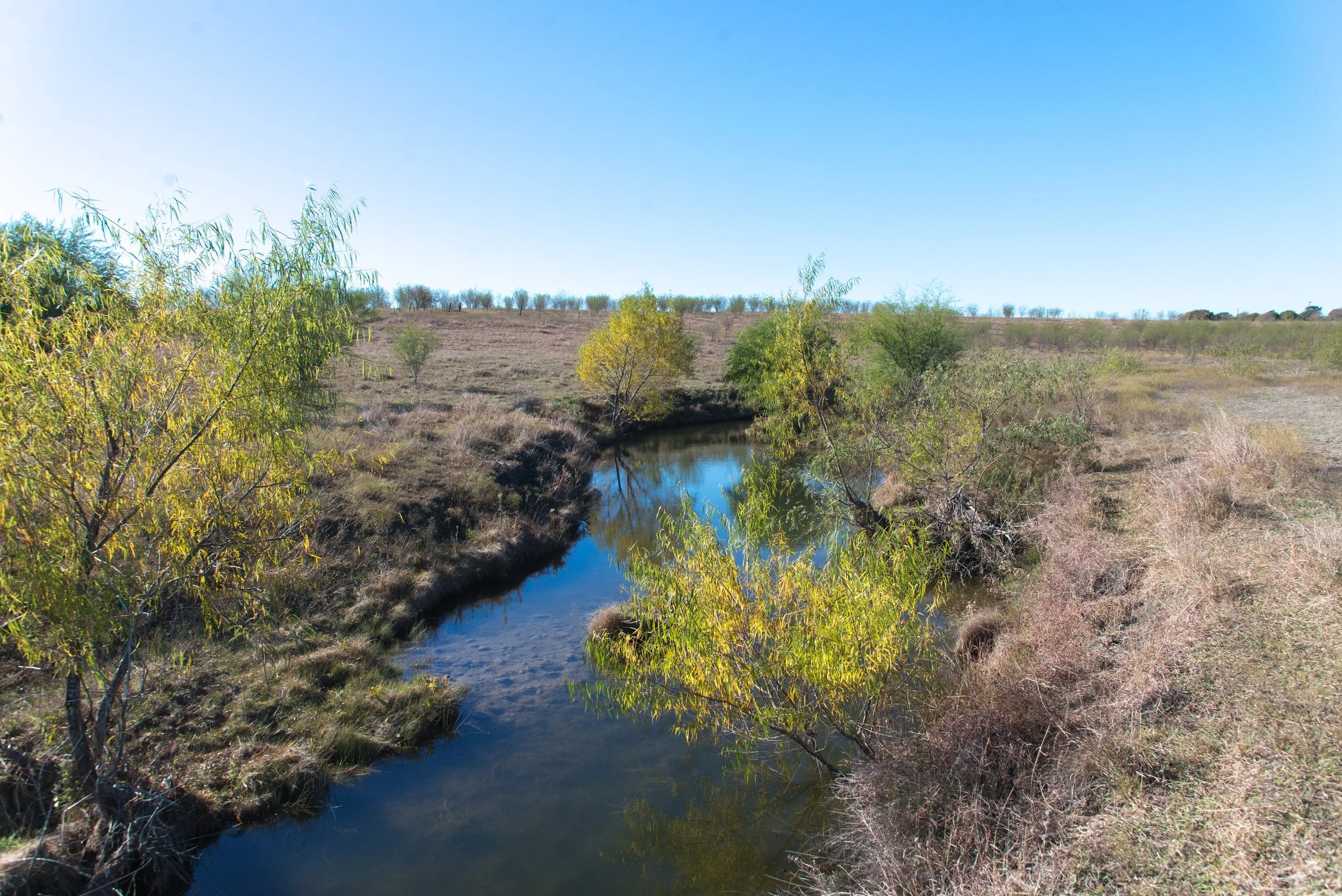
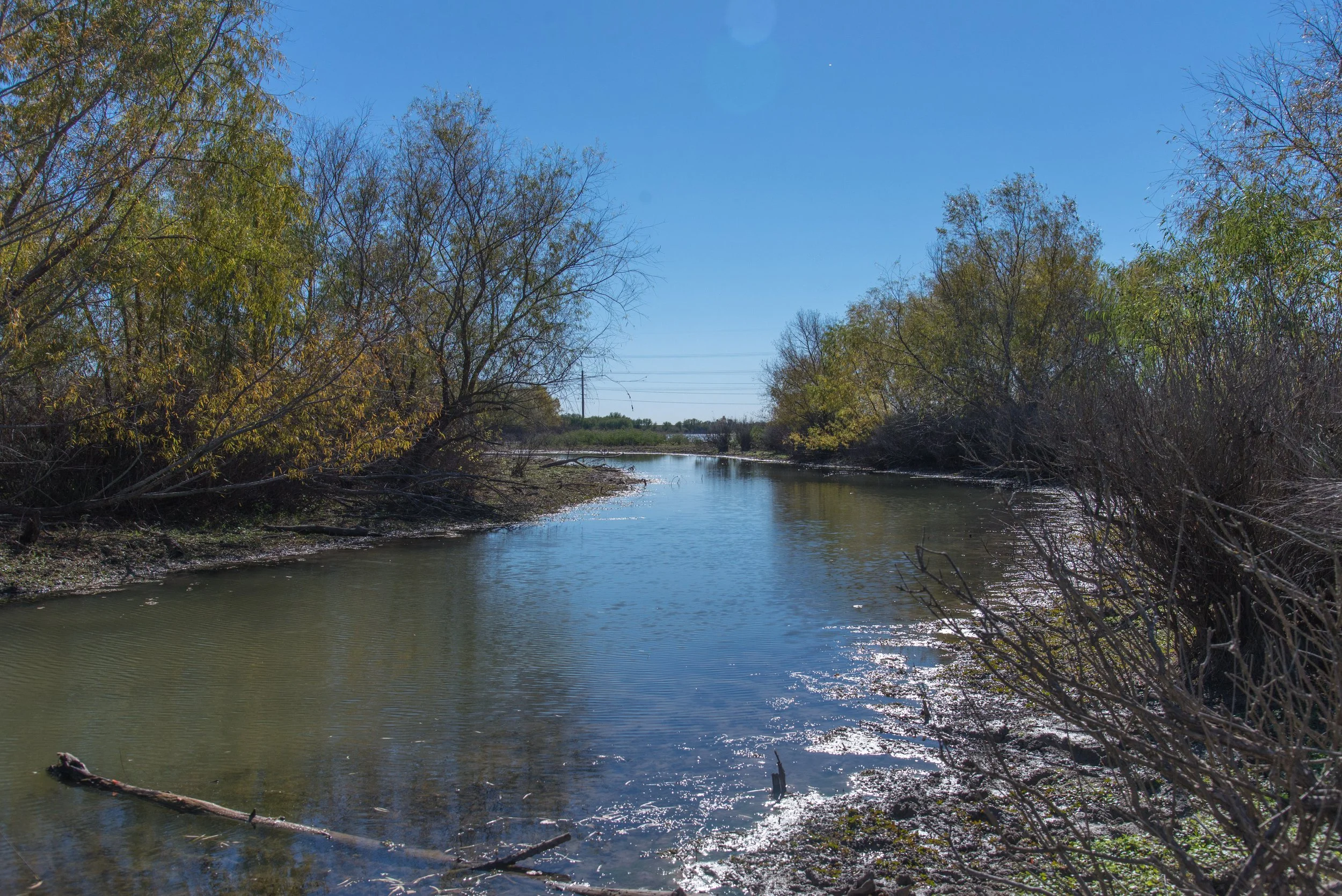
Multiple drainages, originating from the foothills of the Balcones Escarpment, converge within the ranch before reaching a large soil conservation reservoir. One of these streams holds water year-round, supporting aquatic animals such as largemouth bass, sunfish, and turtles, throughout its reach on the property. The lake provides additional open water and mud flat habitats utilized by migratory shorebirds and water birds. Below the dam, flows contribute to York Creek and San Marcos and Guadalupe Rivers.
These watersheds are part of the Guadalupe and San Antonio Rivers Native Fish Conservation Area which is recognized for the rare and vulnerable species that occur within it.
American eel, Guadalupe bass, Texas shiner, Guadalupe Darter, pimpleback, pistolgrip, maple leaf, and Tampico pearly mussel are the key species that depend on the downstream ecosystem services provided by the property.
Wildlife Under Threat
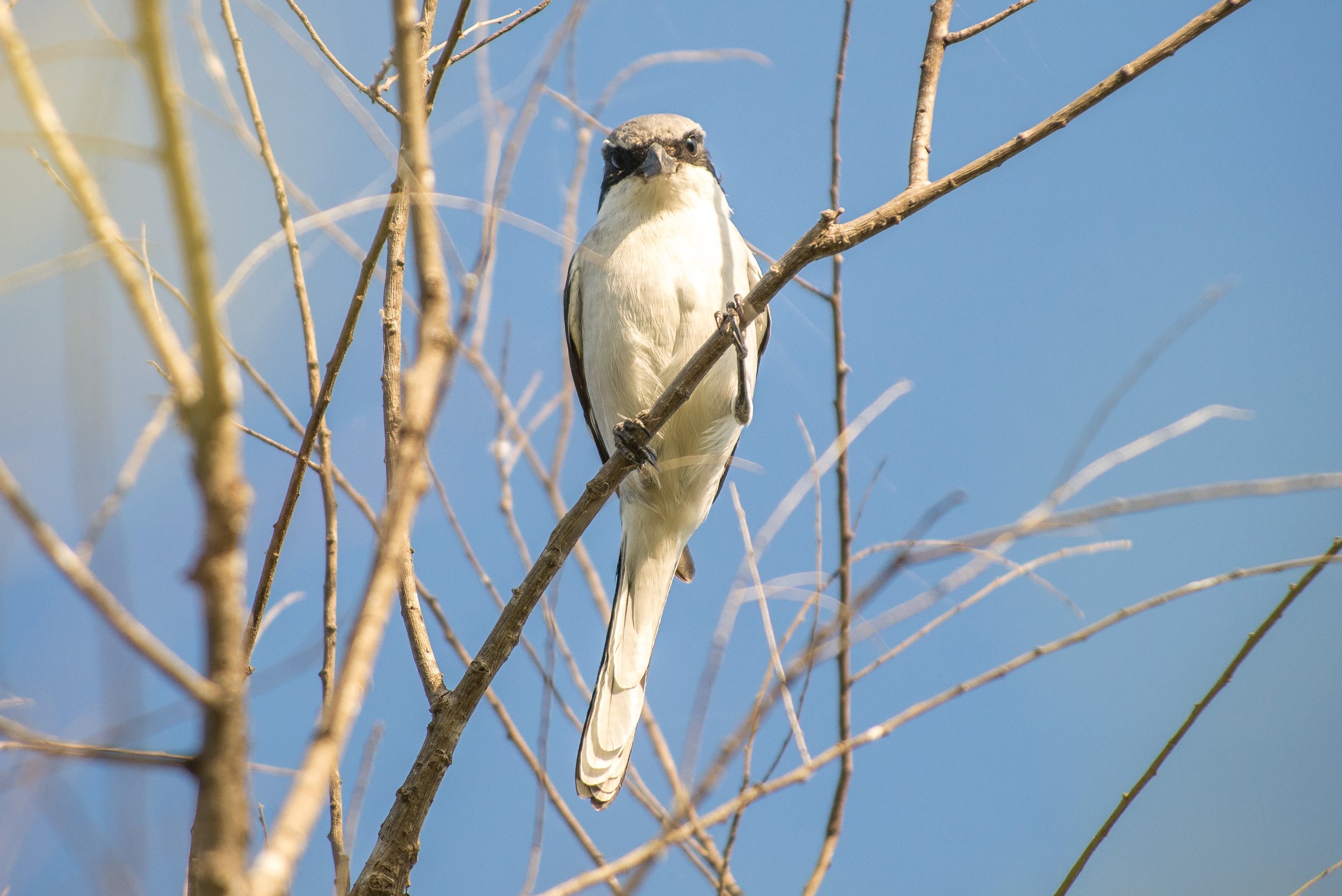
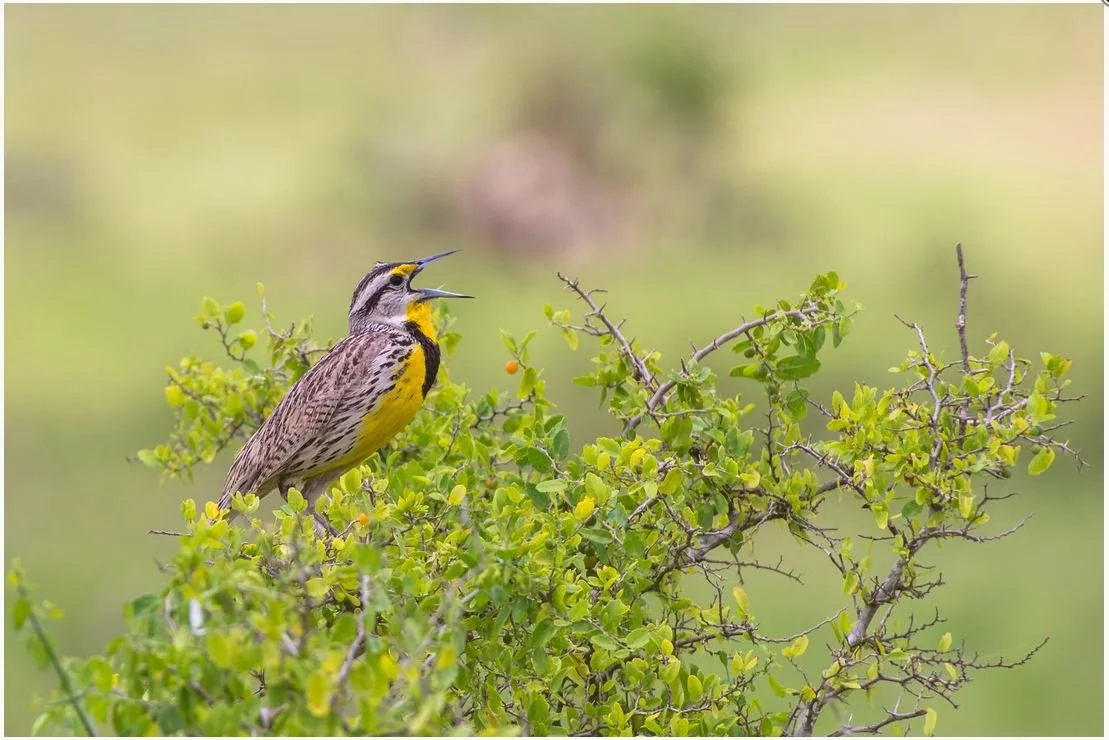
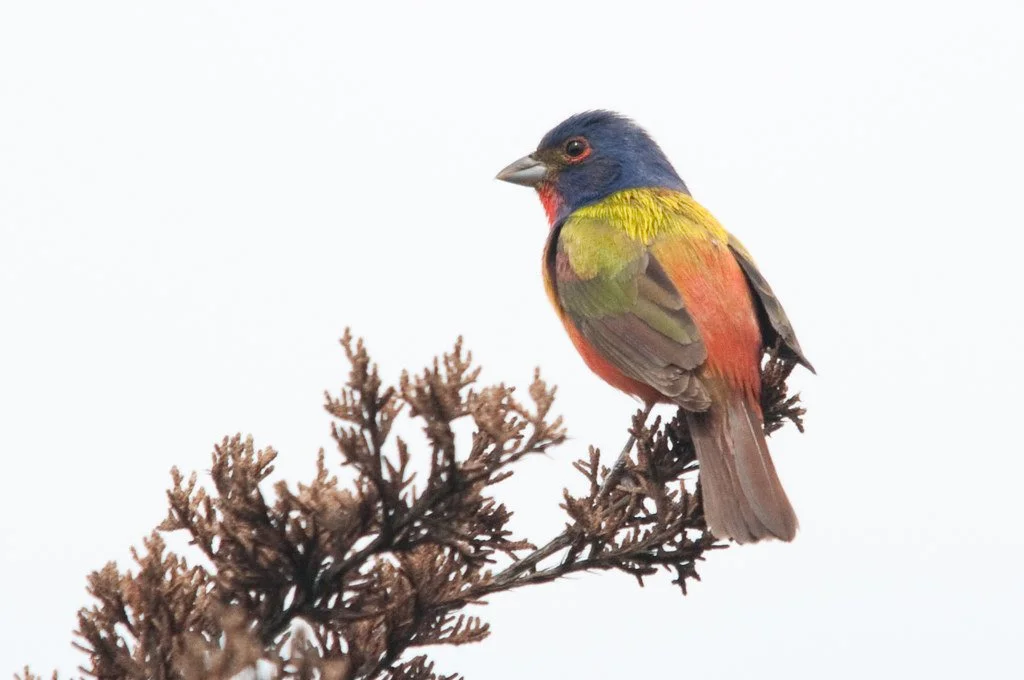
Rare and vulnerable species documented on the ranch include Northern bobwhite, killdeer, greater yellowlegs, least sandpiper, dowitcher sp., loggerhead shrike, Eastern meadowlark, painted bunting, and scissor-tailed flycatcher. These are all grassland and wetland species undergoing population decline in the face of habitat loss and degradation. Mammals such as white-tailed deer, raccoon, striped skunk, bobcat, black-tailed jackrabbit, fox squirrel, armadillo, gray fox, and coyote are all commonly occurring on or near the property. The open water and wetlands found on the ranch are a vital resource for resident and migratory wildlife and have an enhanced significance by their proximity to the dryer Edwards Plateau where such resources can be scarce.
Native Plants and Habitats
A variety of plants are found throughout the grassland, riparian forest, and open water habitats in addition to small amounts of deciduous woodland and herbaceous wetlands that occur. Grasslands have been largely maintained as tame pasture for livestock grazing and coexist with the numerous grassland-dependent animals occurring on the property.
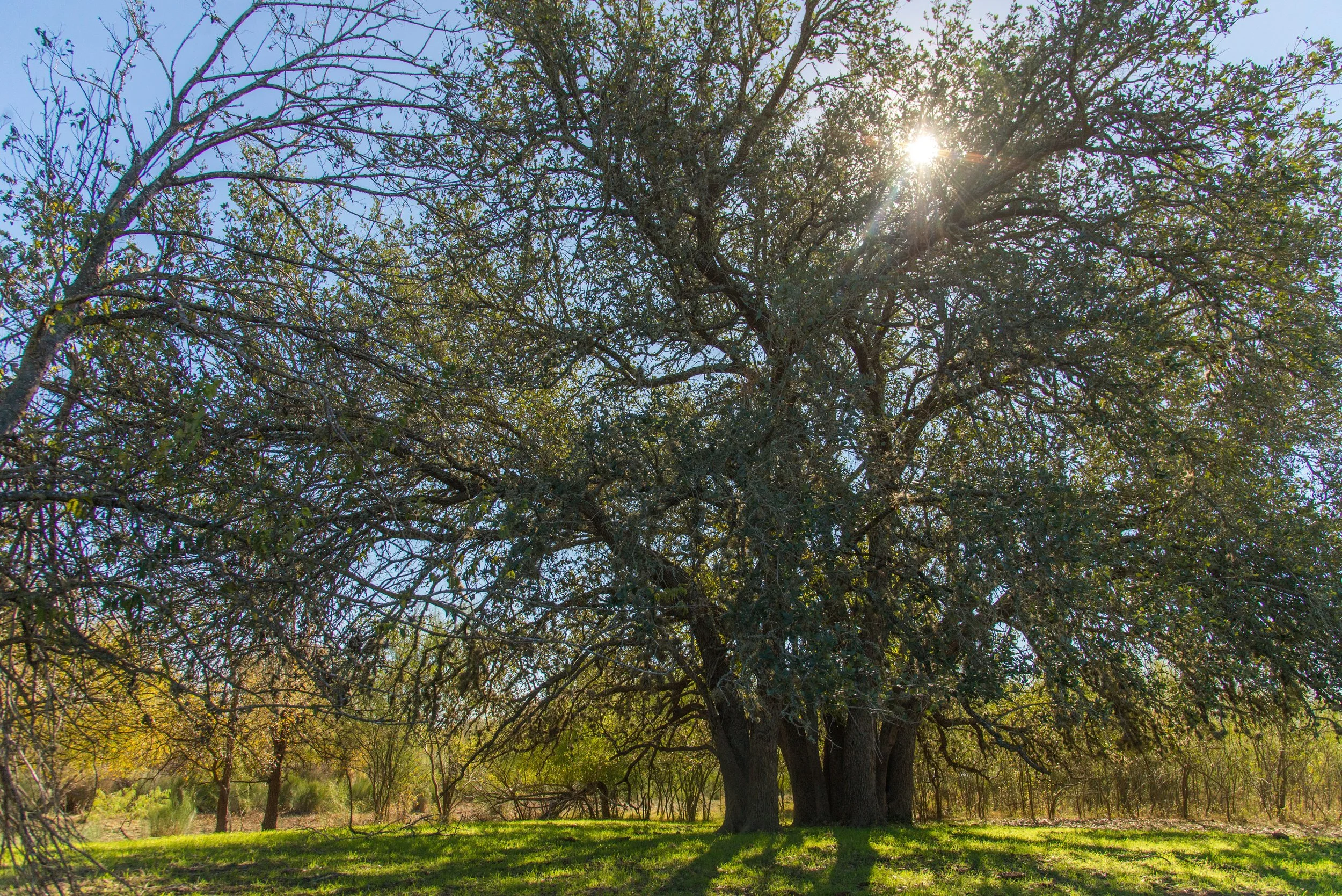
Riparian forest habitats include a canopy of black willow, eastern cottonwood, cedar elm, hackberry, live oak, and ash. Aquatic plants such as floating primrose-willow occur throughout streams, stock ponds, and the lake. Wetlands and margins include cattail, spikerushes, flatsedges, maritime bushy bluestem, common ragweed, and bristlegrass. Deciduous woodland habitat includes woody species such as Texas persimmon, mulberry, spiny hackberry, gum bumelia, agarita, and prickly pear. Herbaceous plants and vines include Texas Indian mallow, southern dewberry, goldenrod, frostweed, and Texas snakeweed.
Working Lands
Cattle ranching and other agricultural uses are an important part of Texas culture but also have a significant contribution to society’s food and fiber security. Agricultural uses of the property are preserved, including the 67-acres of Prime Farmland Soils recognized by the Natural Resource Conservation Service for having the best combination of physical and chemical characterizes for producing food, feed, forage, and fiber.
Scenic Views
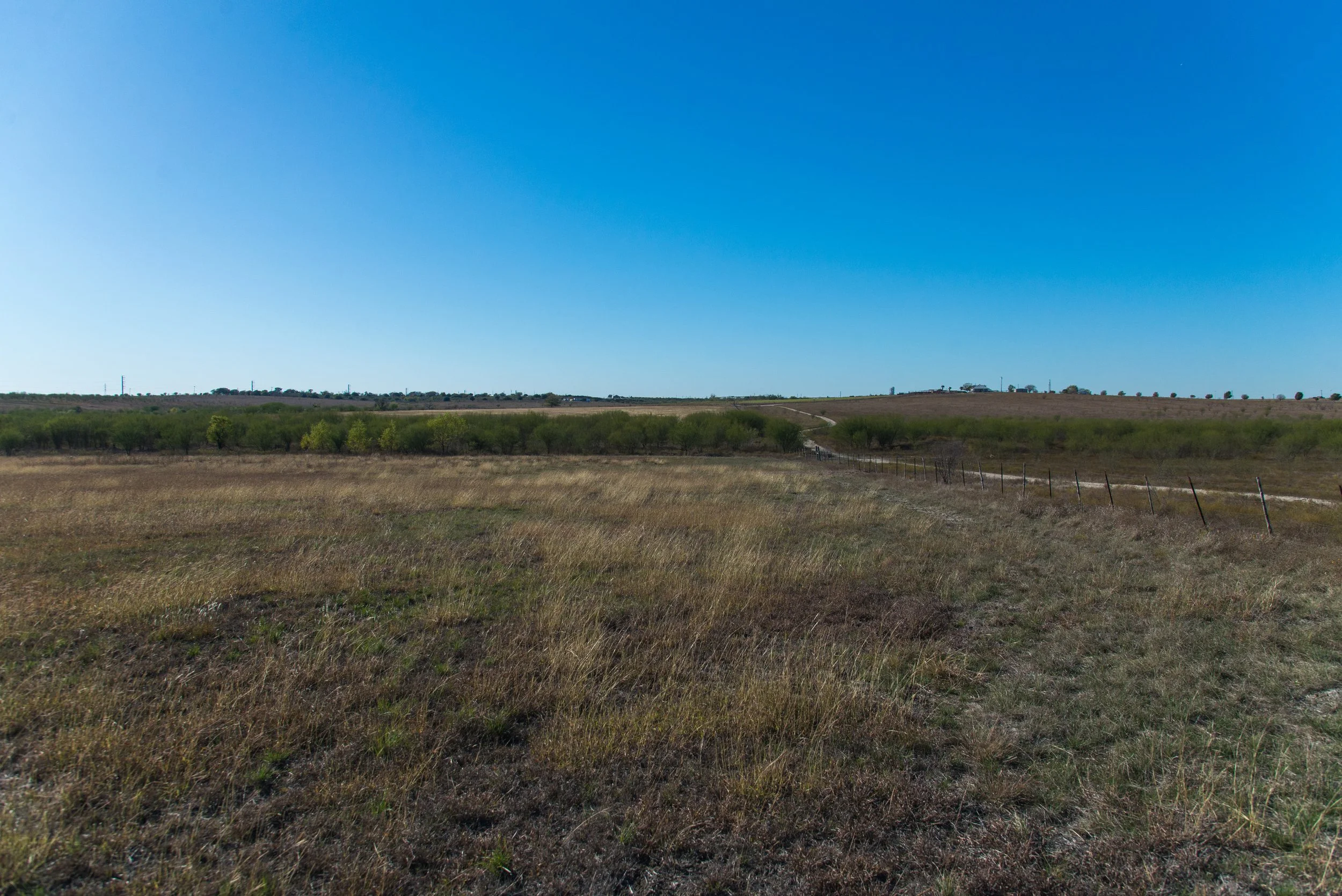
Expansive views down the long stream valley and the gently rolling hillsides that flank it occur from surrounding roadways. The importance of these scenic views and the opportunity for the public to enjoy them are underscored by rapid and ongoing development.
Landscape Connectivity and Future Uses
La Paloma Ranch joins a network of conservation and open space lands located close to or adjacent to the property. Texas State University Muller Farm, which operates as an agricultural research station, and the San Marcos Aquatic Resources Center operated by the U.S. Fish and Wildlife Service contribute similar habitats and uses to make the whole greater than the sum of its parts especially in the context of rapid surrounding development.
While the conservation easement is set in stone, the future ownership and operation of the ranch are not. The landowners have kept the door open to possible uses as a public park, a foresight that has the potential to enhance the public benefit to another level. While we wait and see what’s next for La Paloma Ranch, rest assured that the scenic views, wildlife habitats, and rural open space – the great things we love about Texas - are now protected forever.
Gratitude and Acknowledgements
Thank you to John David Carson and the entire Carson Family for their foresight and prudence to protect the most important resources on their family land. The donation of a conservation easement is one of the single greatest contributions a landowner can make to the people, water, and wildlife of Texas.
Also thank you to Natalie Cavellier, Attorney & Counselor for Braun & Gresham, for helping to shepherd this project to its completion.
Photos by Stephen Ramirez
Help protect more properties like this across the state!
Texas Land Conservancy could not do this important conservation work without our members, partners, and supporters. With your support, we can work with more landowners and protect more land across the state from the negative effects of land fragmentation and poorly-planned development.